| At a glance | |
|---|---|
| Where | Any hospoda in Prague, away from the Old Town Square tourist zone |
| Cost | Around €2–2.50 for a half-litre in a local pub; €5–7 on Old Town Square for the same beer |
| Time needed | No set time — a proper pour takes around two minutes, and a good pub evening takes as long as you let it |
| Getting there | Žižkov and Vinohrady have the highest density of genuine local hospody, a short tram or metro ride from the centre |
| Best time | Any time of year; early evening (around 19:00–20:00) is when local pubs are at their most authentic |
The pub in Žižkov at 19:20
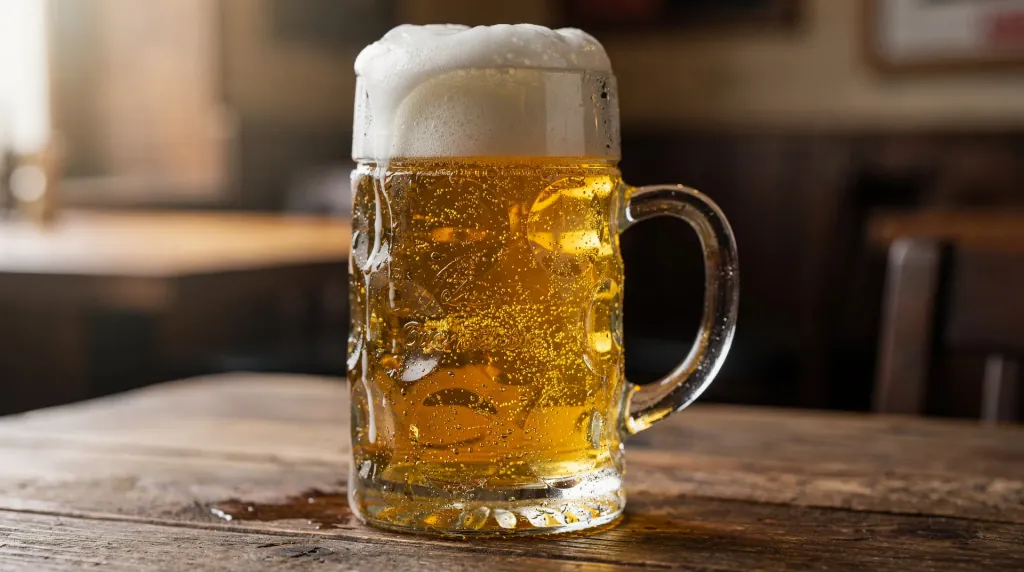
The bar is a single room with about eight tables, all of them full. The walls have not been repainted since approximately 1989. The bartender is a woman in her fifties who does not smile immediately when we come in, but she nods at a table in the corner, and this is a welcome. The beer she brings, without us having specified anything except “pivo, prosím,” is a 12° Pilsner Urquell in a half-litre glass with a dense foam head that sits above the rim without spilling.
She put it in front of us in a manner that communicated: this is how beer looks. If you do not understand why the foam is there, I will explain, but I think you probably understand.
We understood.
This is the hospoda. Not a concept. A place.
The Czech Republic does not have a beer culture — it is a beer culture
Czechia consumes more beer per capita than any country on earth. Has done for twenty consecutive years. This is not a quirky statistic; it is a structural fact about the society. Beer is not a leisure product in the Czech Republic. It is the social medium — the mechanism by which Czech society has conducted its social life for centuries, through empires and republics and occupations and revolutions. The hospoda (pub) is the Czech equivalent of the Greek agora — where things are decided, where people are honest with each other, where time moves differently.
What follows is a guide to the actual value system that Czech beer culture operates on. Not a list of “top 5 beers in Prague.” A framework for understanding what you’re drinking, where, and why it matters.
Degrees are not alcohol content
The first thing to understand: when a Czech menu says “Pilsner Urquell 12°” the degree symbol refers to the Balling/Plato scale — a measure of the density of the wort before fermentation. It is an indication of body, bitterness, and character, not ABV. 12° Pilsner Urquell is approximately 4.4% ABV. A 10° session lager is approximately 4.1%. A 14° strong lager might reach 5.5–6%.
Czech brewers and drinkers discuss beer in Plato degrees as a matter of course. The reason is that it’s a more meaningful indicator of the drinking experience than ABV — it describes the richness of the malt character and the fermentation profile. Asking “what degrees is this?” in a Czech pub is a perfectly normal question.
Světlé and tmavé — the primary distinction
Czech lager comes in two primary forms: světlé (golden lager) and tmavé (dark lager). This is the first choice you’ll make in any traditional Czech pub.
Světlé pivo is what most of the world calls Czech lager — golden, hop-forward, crisp. Pilsner Urquell is the archetype; the Pilsner style that the world inherited from Bohemia in 1842. Světlé is the default.
Tmavé pivo is dark Czech lager — not stout or porter, but a roasted-malt lager with caramel and coffee notes. Typically sweeter than světlé, less bitter, very drinkable. Under-appreciated outside the country. U Fleků in Prague brews exclusively a dark 13° that is one of the best Czech beers available anywhere. Kozel tmavé (12°) is widely available and excellent.
Polotmavé (semi-dark/amber) exists and is worth trying when you see it.
The Pilsner debate
The question “which is better, Pilsner Urquell or Budvar?” is the Czech equivalent of Ford vs. Holden in Australia, or Fender vs. Gibson. It is a matter of regional identity and tribal loyalty more than objective assessment.
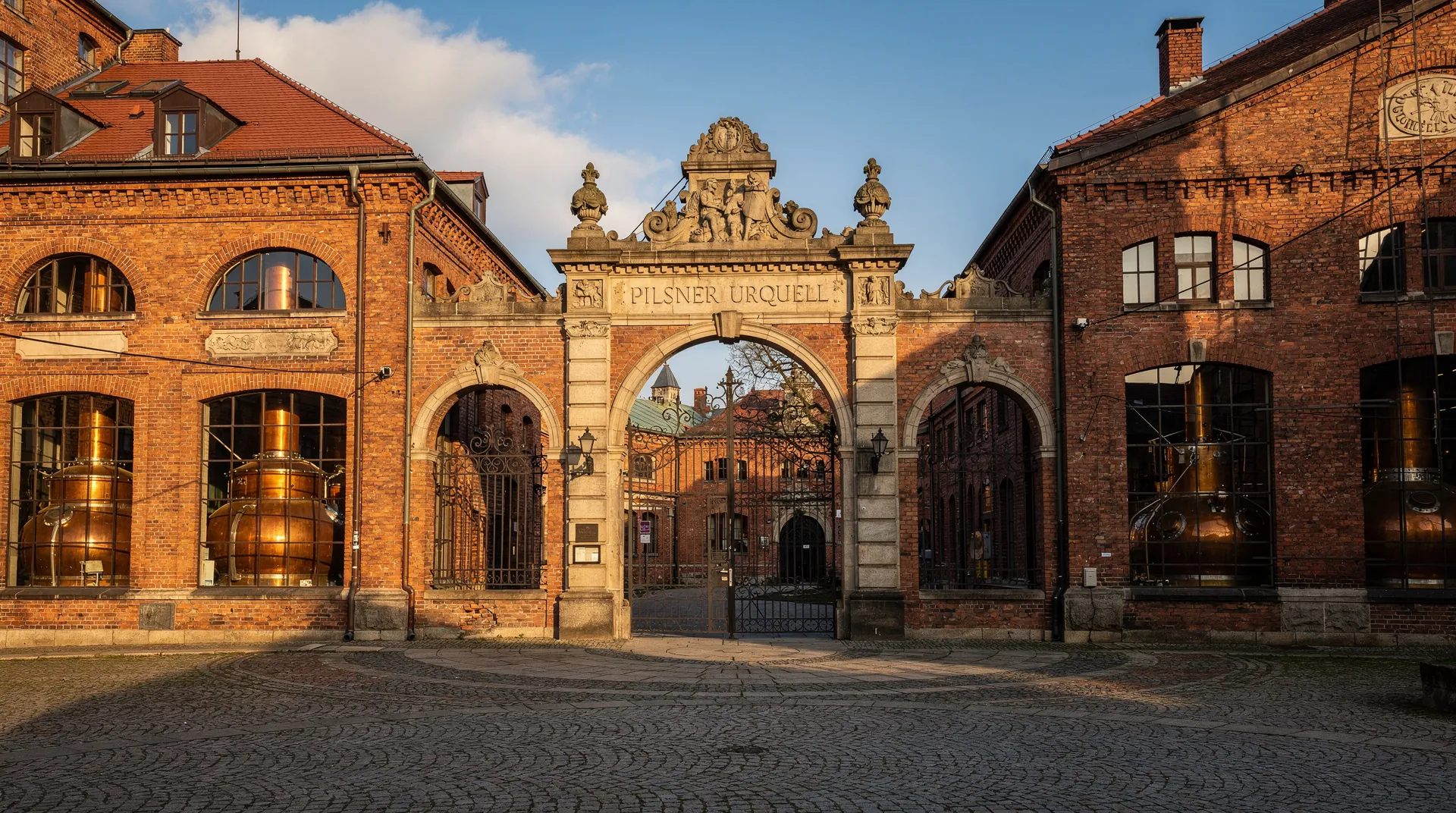
Pilsner Urquell is from Plzeň (Pilsen) — the brewery that created the style in 1842. It is owned by Asahi (Japan) since 2017, which causes some Czech discomfort. The beer is excellent: bitter, complex, golden, with a characteristic sulfur note in the glass that indicates freshness. The nefiltrované (unfiltered) version available at Lokál restaurants in Prague is noticeably better than the filtered standard.
Budvar (Budweiser Budvar) is from České Budějovice, state-owned since the Communist era and deliberately not privatised in the 1990s. Maltier, less bitter than Pilsner Urquell. The source of the famous trademark dispute with American Budweiser (Anheuser-Busch) — in the US and some markets, it is sold as Czechvar.
Asking a Czech which they prefer will get you a considered answer and possibly a strong opinion. Both are genuinely good lagers. The specific pub’s tap condition often matters more than the brand. If you would rather taste several Czech styles with a guide, a Czech craft beer tasting tour with taproom covers that in one evening, and our guide to Prague beer and breweries helps you pick the right one.
The pour
Czech beer service is a ritual, not a process. A properly poured Czech beer takes two minutes minimum. The glass is tilted, filled to roughly two-thirds, allowed to settle while the foam rises, then the glass is straightened and topped to produce a firm, dense foam head called hladinka (smooth) or šnyt (similar method, smaller glass). A sloppy pour — rushed foam, minimal head, overfilled glass — is a point of genuine professional shame in a Czech pub.
You will wait for your beer in a good Czech pub. This is not inefficiency. The person doing the pour is doing something that takes time done properly. Watch it if you’re near the bar — it’s worth seeing.
Do not ask for your beer to be poured quickly. Do not tell them you don’t want the foam. The foam is inseparable from the beer culturally and technically (it seals the CO2, it carries the aroma). If you push the foam away with your finger as Czechs do in informal jest, you’re participating in the culture; if you genuinely ask for a beermat-covered glassful, you’re making an enemy.
Tank beer vs. pasteurised
The ultimate divide in Czech beer quality is whether you’re drinking tank beer (tankové pivo) or pasteurised bottled/keg beer.
Tank beer is unpasteurised lager delivered in stainless steel tanks directly from the brewery, typically fresh within 3–7 days of delivery. It is served in restaurants that have the infrastructure (an insulated tank room, typically visible). Lokál, a Czech restaurant group in Prague, has made unpasteurised tank Pilsner Urquell their calling card. The difference in taste compared to pasteurised is significant — the hop character is brighter, the finish is cleaner.
Where to find tank Pilsner Urquell in Prague: any Lokál restaurant (Dlouhá, Vinohrady, and other branches). Also Špejchar (Letná), and a handful of other pubs that maintain the tank agreement with Pilsner Urquell.
The craft beer insurgency
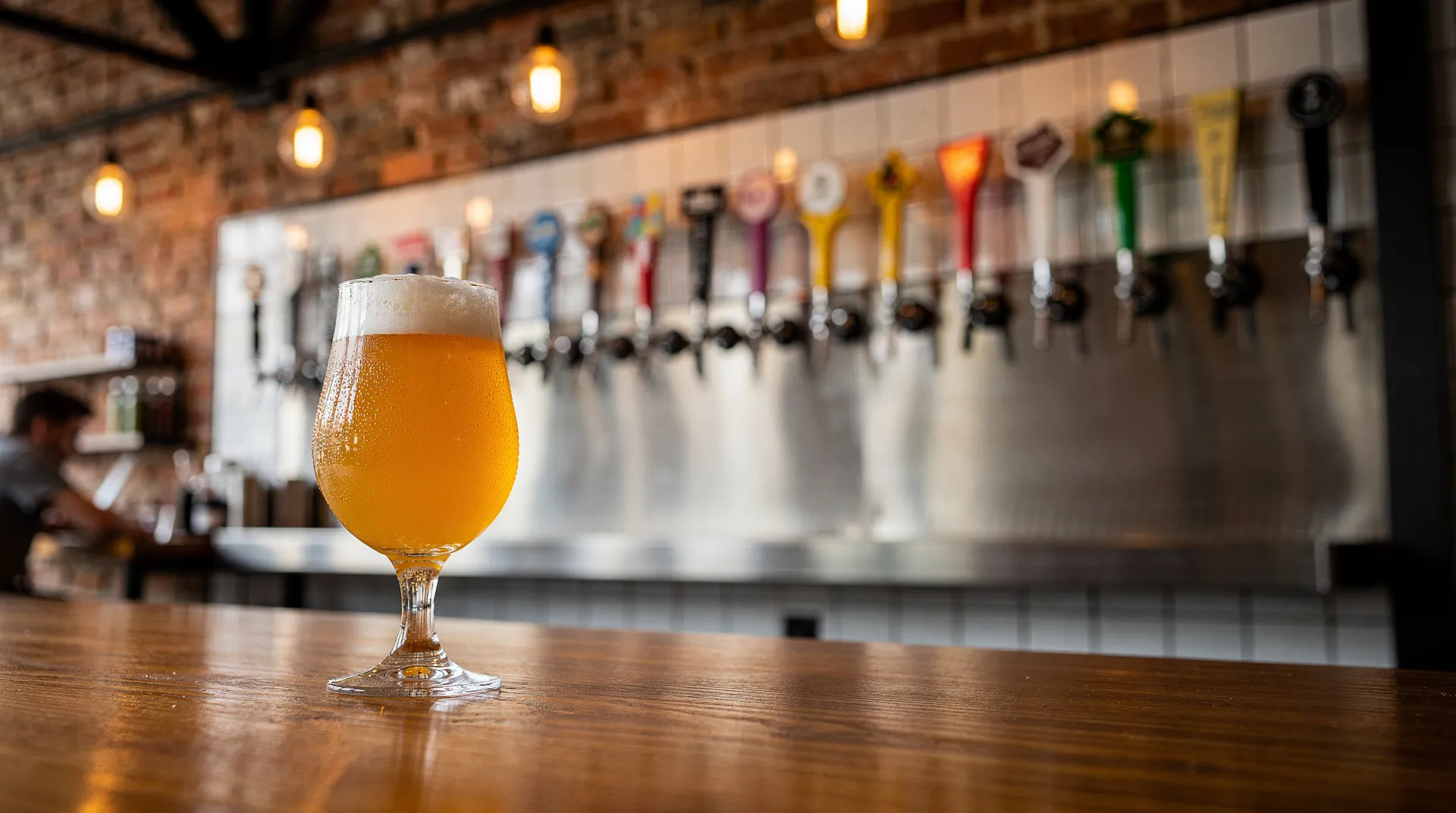
Prague’s craft beer scene since 2010 has been one of Europe’s more interesting beer stories. Czech craft brewers — working in a country where lager is so deeply embedded — had to differentiate through quality and innovation simultaneously. The results have been impressive.
Worth seeking: Zichovec (Prague), Matuška (Broumy, near Prague), Raven (Prague), Pivovar Únětice (Únětice, 20km from Prague) for traditional Czech lager done with craft attention. None of these are on every bar’s tap list — they require specific searching. Most quality beer bars in Vinohrady and Žižkov will have at least one tap from this tier.
Pivotéka bars — specialist beer shops with tap and bottle selection — exist in Prague and are worth an evening. The Zlatý Klas in Vinohrady and U Medvídků in Old Town (which also brews on-site) are two starting points.
The hospoda rule
The most important thing to understand about Czech pub culture: the hospoda is a social institution, not a service transaction. You sit at a table that seats more people than your group. Other people may sit at your table without asking beyond a nod. This is not strange; it is normal. Conversations with strangers at a shared pub table are a Czech default.
The other rule: the beer is tracked by tally marks on a card (or digitally in modern places). You pay at the end, not with each round. Calling for the bill is done with “zaplatit, prosím” (to pay, please). Tipping is common but not obligatory — rounding up to the nearest convenient number is the norm.
2026 beer prices: the honest table
| Venue type | 0.5L Pilsner Urquell | 0.5L Kozel / Bernard | 0.4L dark (tmavé) |
|---|---|---|---|
| Žižkov / Vinohrady local hospoda | €2–2.50 / 50–63 CZK | €1.80–2.20 / 45–55 CZK | €2–2.50 / 50–63 CZK |
| Lokál (tank beer) | €2.30–2.60 / 58–65 CZK | not served | €2.30–2.60 / 58–65 CZK |
| New Town / Smíchov restaurant | €3–4 / 75–100 CZK | €2.50–3.50 / 62–88 CZK | €3–4 / 75–100 CZK |
| Old Town tourist zone | €5–7 / 125–175 CZK | €4.50–6 / 112–150 CZK | €5–7 / 125–175 CZK |
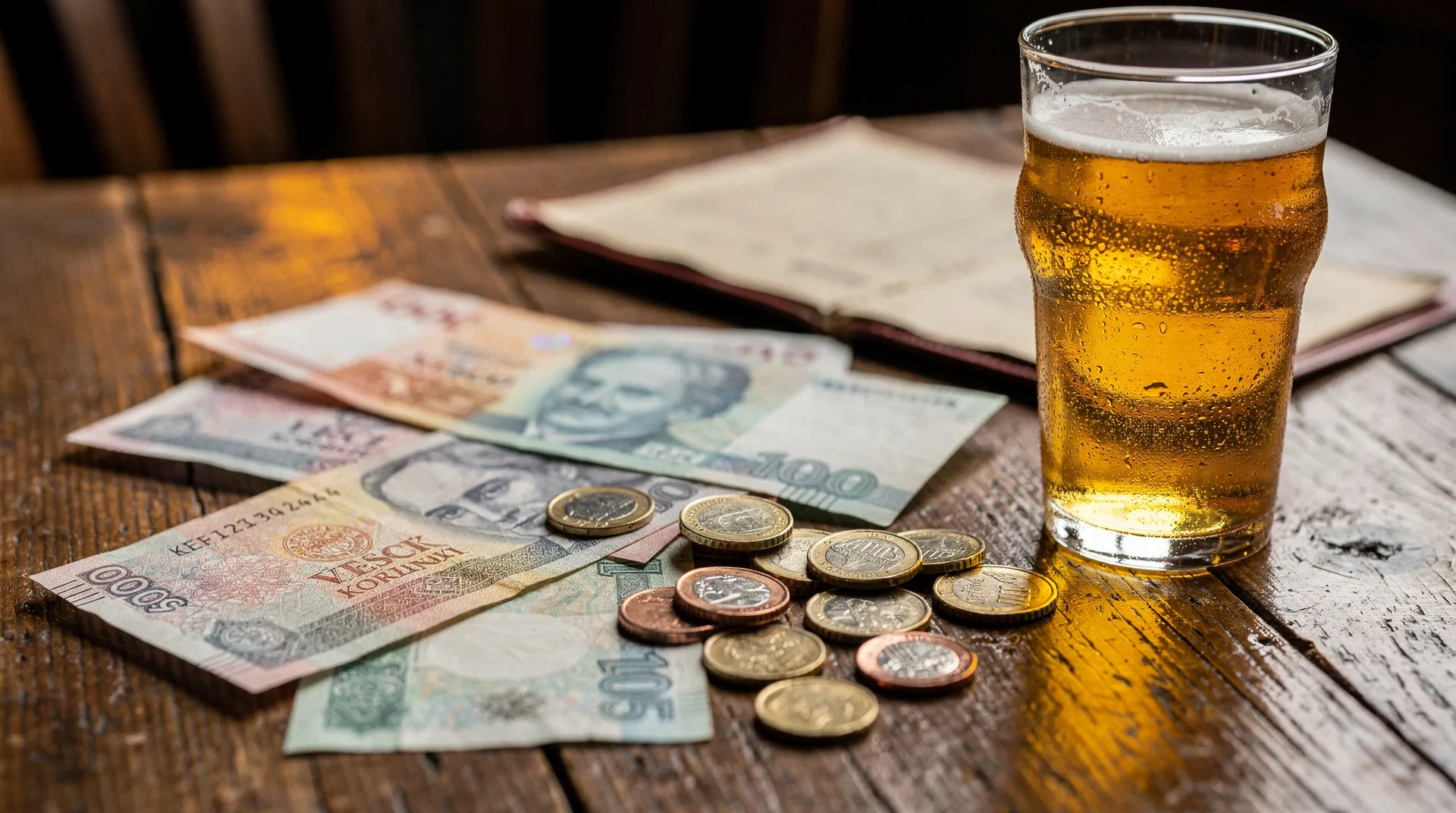
The factor-of-three price variation for the same liquid across the same city is the most important piece of practical information in Czech beer culture. A visitor who drinks at Old Town Square terraces all week pays what a Praguers pays for a month of evening hospoda visits.
The counterpoint: does beer culture actually matter for a tourist visit?
The cynical view: Czech beer culture is interesting background reading, but in practice you are on holiday, you just want a cold beer, and the nearest available pub is fine. The 12° vs 10°, tank vs pasteurised, hladinka vs šnyt distinction is genuine expertise that takes years to develop, and pretending to care about it after reading an article for 10 minutes is performative rather than authentic.
This is fair criticism of a certain kind of travel writing. Here is our actual position: you do not need to understand Czech beer culture to enjoy Prague. You do need to know two things to avoid overpaying and to have a better time:
- Where you drink matters — three streets from Old Town Square is 60% cheaper for identical beer.
- Ask for “nefiltrované” (unfiltered) at Lokál — the tank Pilsner Urquell served there is genuinely different and better than the standard version. This is not snobbery; it is a real difference that takes one word to access.
Everything else in this article is context for the experience. The hospoda in Žižkov will teach you the rest.
Reader questions
“Is U Fleků worth the tourist premium?”
U Fleků on Křemencova is one of Prague’s oldest operating breweries (records from 1499) and brews exclusively a single dark 13° lager. It is also heavily tourist-oriented — tour groups fill the courtyard, prices are significantly above local pub levels (approximately 110–130 CZK / €4.40–5.20 for a half-litre), and the atmosphere in summer approaches theme park. Our honest verdict: go once, go off-season, go on a weekday afternoon when the courtyard is quieter. The beer is genuinely excellent and historically significant. The tourist management is a tax on authenticity, not a reason to avoid the experience entirely.
“Ordering a Heineken in Prague — why is this mentioned as an insult?”
Because Heineken is brewed in the Netherlands, and ordering a Dutch lager in the country that invented lager is the equivalent of asking for a California roll in Osaka. It is not that Czech people are rude about it — they will bring you a Heineken without comment. It is that the question reveals a level of indifference to context that closes off a genuinely interesting experience. The cheapest Czech beer available in any pub — Kozel, Bernard, Svijanský Rytíř — is dramatically better than Heineken. There is no circumstance in which Heineken is the right choice in a Czech pub.
“What should I order at a Czech pub as a complete beginner?”
“Jedno pivo, prosím” (one beer, please) will get you whatever is on tap, which in any self-respecting Czech pub will be a 12° světlé. Then “tmavé, prosím” for the dark version. Then “nefiltrovane, prosím” if you’re at Lokál. This is the full vocabulary you need. The bartender will do everything else correctly.
Where to actually go drinking
If you want a curated list rather than wandering Žižkov hoping to find a good hospoda, our best beer halls guide has specific venues by neighbourhood. For something more organised, a pub crawl is a reasonable way to hit several good spots in one evening without doing the research yourself, and the beer spa experience is a genuinely fun (if gimmicky) way to combine the beer theme with an afternoon of relaxation — worth doing once, not a substitute for an actual pub evening. If you want to book one, there is a beer spa with unlimited beer and sauna available in advance. Tipping in a hospoda follows different norms than a restaurant; our tipping guide covers the rounding-up convention mentioned above in more detail.
What to expect price-wise, and how to budget for it
Beer is cheap in Prague relative to Western Europe, but the spread between a local pub and a tourist terrace is large enough to matter over a week-long trip. If you’re budgeting a Prague trip and want to know how beer costs fit into daily spending alongside transport, food, and sights, our currency and money guide covers ATM withdrawal strategy and typical daily costs — useful context for exactly how far a €40–50 evening budget stretches once you know where to drink.
“Do I need to tip in a Czech pub?”
Tipping is common but not obligatory — rounding up to the next convenient number (for example, paying 100 CZK on an 88 CZK bill) is the standard approach rather than a fixed percentage. See our tipping guide for the wider Czech convention across restaurants, taxis, and tours.
Related reading
The full Czech beer guide covers styles, breweries, and where to drink in each neighbourhood. If you’re planning a day trip to the Pilsner Urquell brewery in Plzeň — which we strongly recommend — the Plzeň day trip guide covers the brewery tour logistics in detail.