At a glance
| Where to base | Nové Město or Vinohrady for flat streets and metro access |
| Cost | Around €150–220 per day for a couple including hotel, meals, transport and one activity |
| Time needed | 4–6 nights at a considered pace, rather than a rushed 2-day sprint |
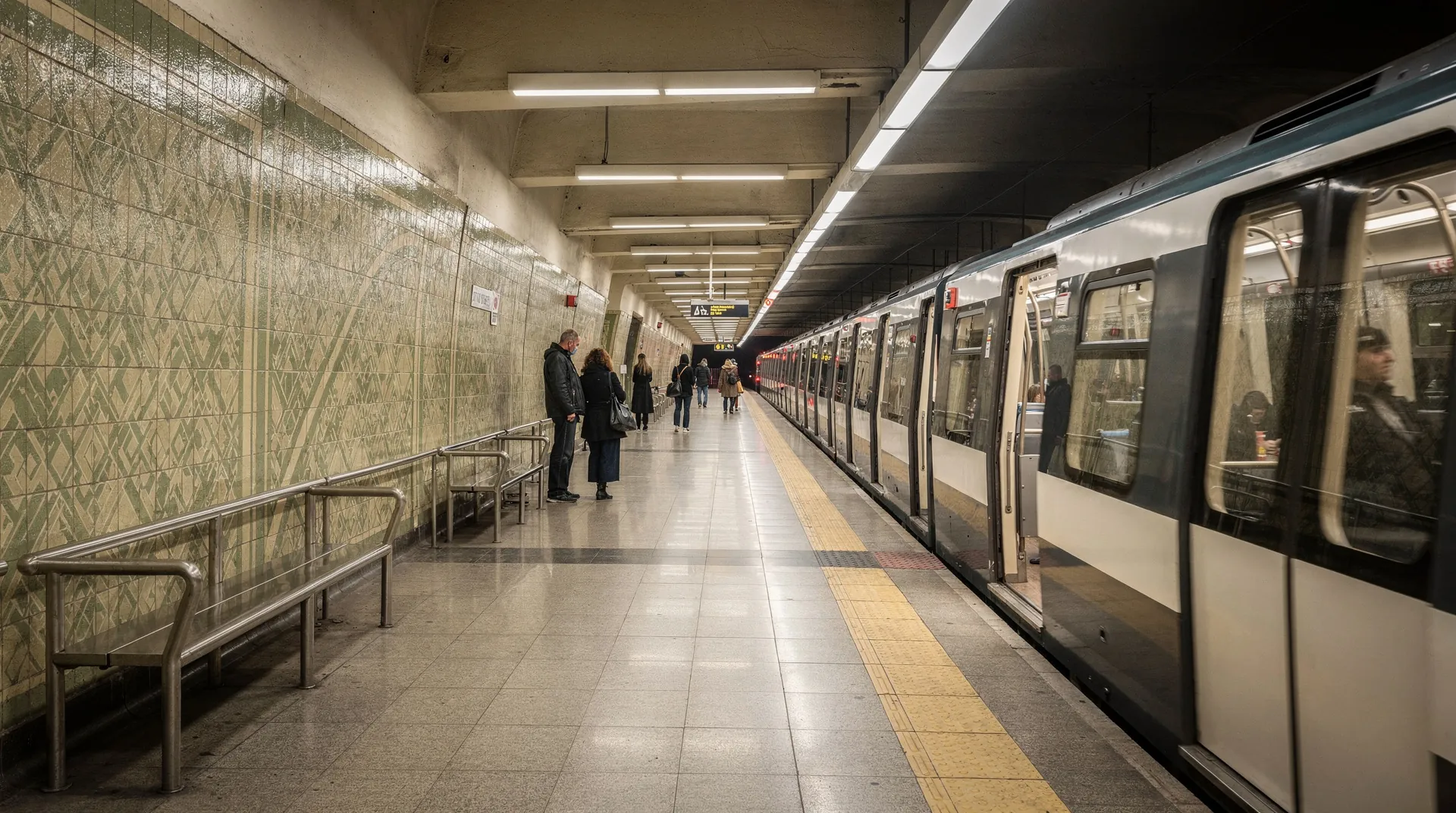
| Getting there | Tram 22 to the Castle, metro line A for the centre — see the metro guide |
| Best time | Late April–May or September–October for mild weather and thinner crowds; see best time to visit |
Prague at a senior’s pace — what actually works
Prague is not a city that rewards rushing. Its architectural density, its café culture, its concert schedule — all of these work better when you’re not trying to cram nine sights into a day. Older travelers who allocate 4–6 nights and move at a considered pace tend to get far more from Prague than younger visitors who sprint through in 2 days.
The physical candour: Prague’s historic centre has challenging terrain. Malá Strana (Lesser Town) is on a hillside. The approach to Prague Castle from the front involves a long stepped ascent on Nerudova street or via steep lanes from the Hradčany tram stop. The cobblestones throughout the Castle district and on Charles Bridge are uneven and can be slippery after rain. If you have significant mobility challenges, these need planning around — see the wheelchair-accessible guide for the most detailed notes. If you walk comfortably but fatigue with distance or hills, the advice here is for you.
The flat areas of Prague are genuinely excellent: Nové Město (New Town), Vinohrady, the Náplavka riverbank embankment, Josefov (Jewish Quarter), and Old Town Square are all walkable without significant gradient. The metro has lifts at a number of stations. Trams are your best friend.
What to prioritise
Old Town Square and the Astronomical Clock. Completely flat, historically overwhelming, and can be done at any pace. Allow time to sit with a coffee at one of the square-side café terraces (avoid the most tourist-trapped ones — go to Grand Café Praha or Café Savoy a short walk away). The hourly clock show is short but spectacular; if you’re there on the hour, wait for it.
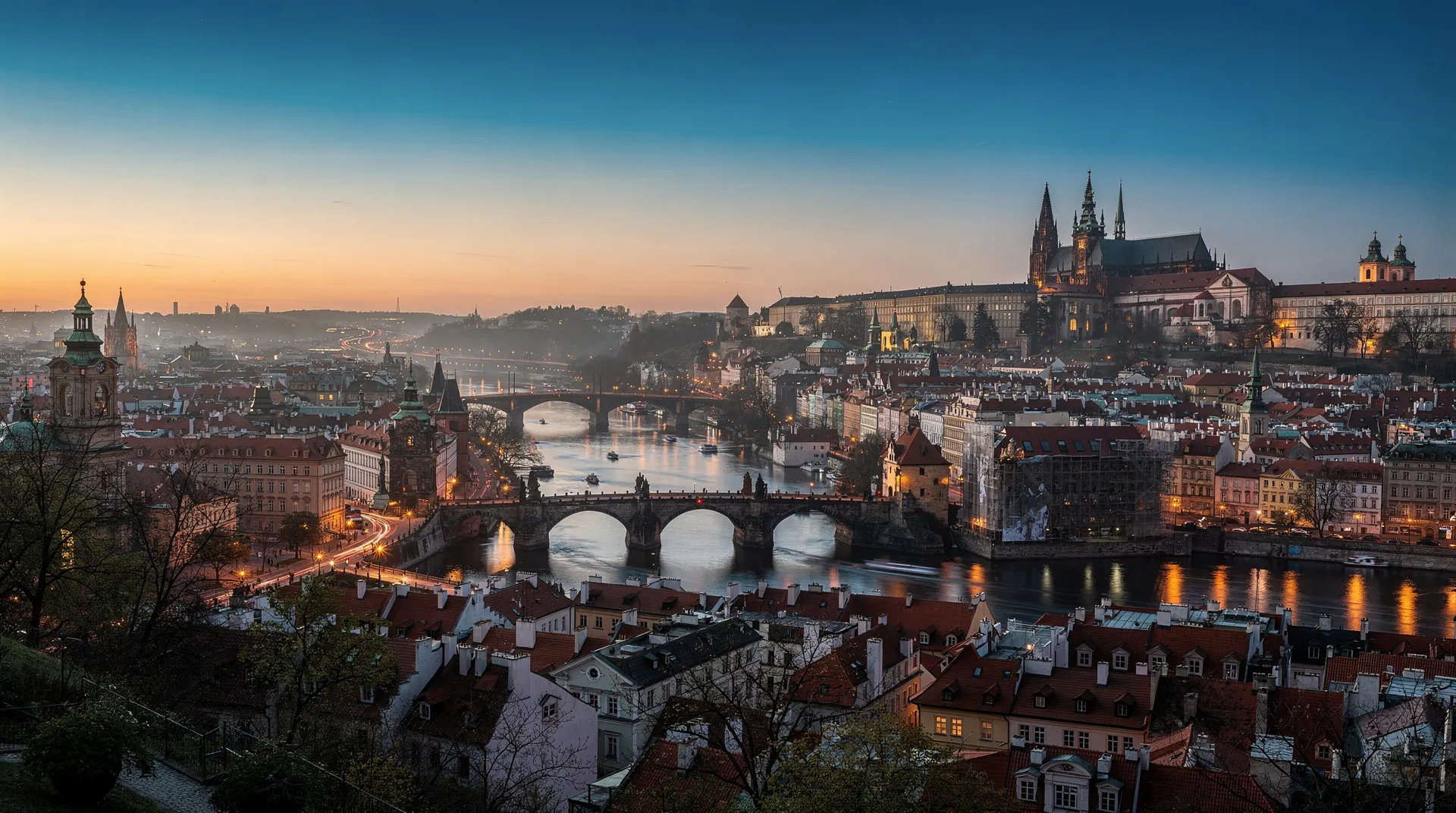
Charles Bridge. The bridge itself is flat, but the approach cobblestones on both sides are uneven. Use comfortable, grippy shoes. Morning (before 8am) or evening (after 9pm) visits are genuinely preferable to the midday crowd, and at slower pace the bridges sculptures reward close attention.
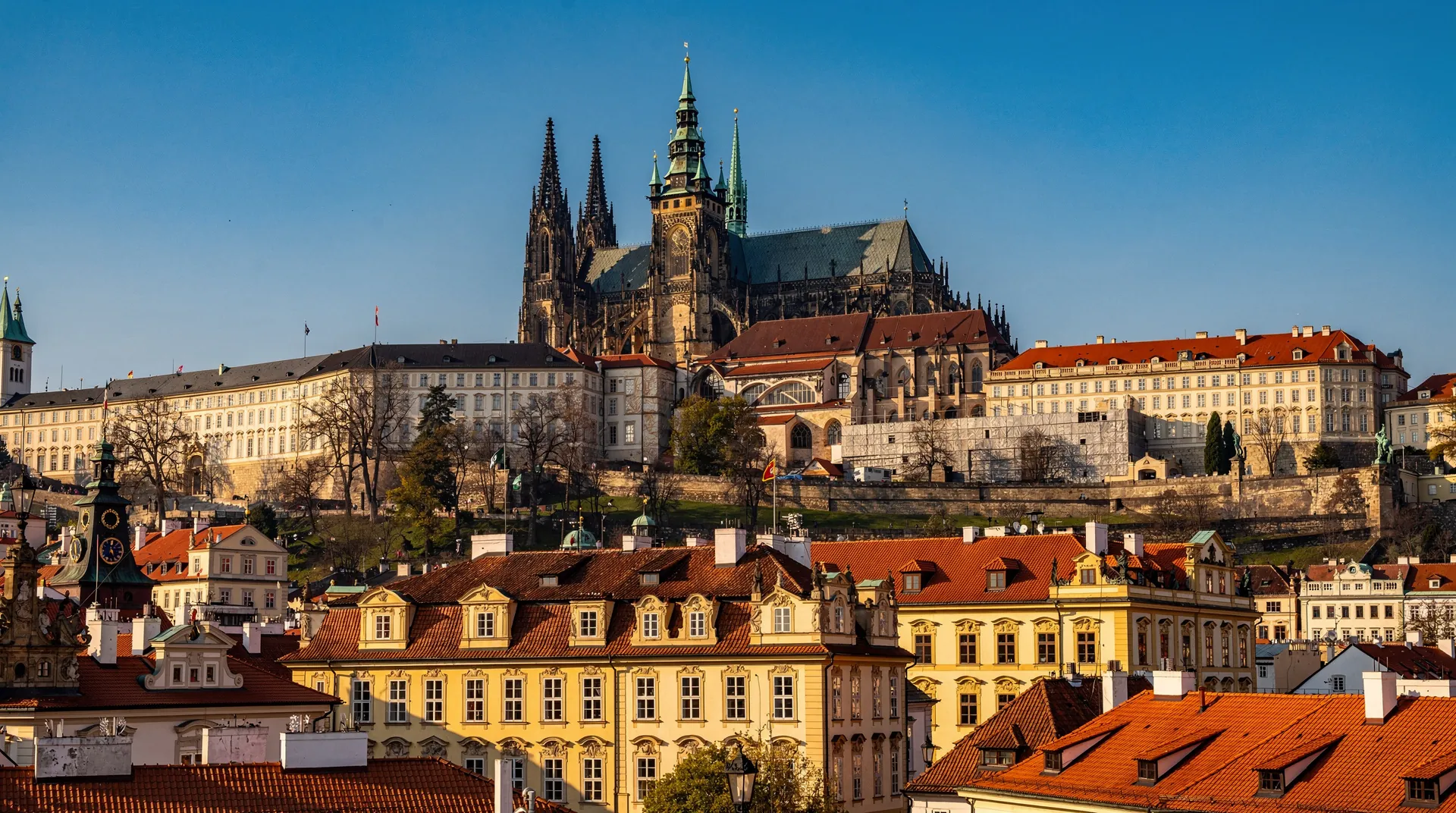
Prague Castle complex with a guide. The Prague Castle complex is large and the navigation confusing without orientation. A guided 2.5-hour tour (t50046) walks you through the key buildings with explanations, at a managed pace. The interior of St. Vítus Cathedral is one of the great Gothic interiors in Europe. The tour pace is manageable; most tour groups rest between buildings.
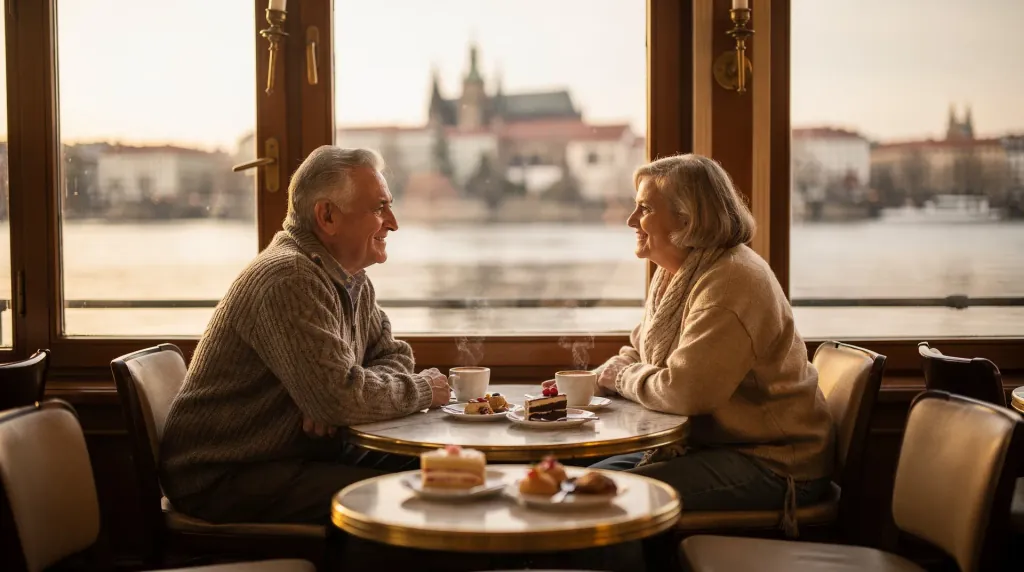
Boat cruise on the Vltava. The 2-hour sightseeing cruise (t66653 — coffee and cake included) is a perfect option for a day when walking energy is lower. You see the city from the river, seated, with commentary. No hills, no cobblestones. A highly recommended afternoon option.
Classical music concert. Prague’s concert culture is built for an older demographic — the audiences at the Mirror Chapel, Spanish Synagogue, and Rudolfinum are predominantly 50+. The concerts are typically 60–90 minutes with seating. This is an excellent evening activity that doesn’t require late-night effort.
Jewish Quarter (Josefov). Flat, walkable, historically profound. The Old Jewish Cemetery is one of the most remarkable spaces in Prague — 12 layers of burials in a small plot, with tens of thousands of tombstones. The Spanish Synagogue’s Art Nouveau interior is extraordinary. The Jewish Quarter tour with admission (t51182) is the best way to understand what you’re seeing.
Day trip to Kutná Hora. The medieval silver-mining town is 1 hour by train and on relatively flat terrain in its historic centre. Sedlec Ossuary (Bone Church) and St. Barbora’s Cathedral are both within easy walking distance of the station. A half-day tour from Prague (t68675) manages the logistics. The train ride itself is pleasant and well-serviced.
Where to stay
Nové Město (New Town) along the Náplavka embankment or near Náměstí Republiky is the best base for seniors who want flat walking and metro access. Hotels here include the Marriott Prague, NH Collection Prague and similar mid-to-luxury chains with lifts, good beds, and accessible rooms.
Vinohrady is excellent for longer stays and those who want a quieter neighbourhood feel. Mostly flat (with gentle gradients), metro line A, excellent restaurants within walking distance. Quieter evenings.
Old Town for those who prioritise proximity to sights over quiet. Choose a hotel away from Dlouhá street (bar noise on weekends). Most Old Town hotels are in converted historic buildings — verify lift access before booking.
Avoid hotels in Malá Strana unless you specifically want that neighbourhood’s atmosphere and are comfortable with cobblestone streets and no metro within easy walk.
Where to eat
Prague’s restaurant culture suits older travelers well — the traditional Czech kitchen is based on long-cooked meat dishes, soups, and dumplings (knedlíky), which are comforting and filling. The café culture is excellent for long, unhurried sittings.
Lokál (Dlouhá, or Vinohrady) — the best Czech food in an accessible, non-pretentious setting. Unfiltered Pilsner Urquell from a tank, svíčková na smetaně (beef tenderloin in cream sauce with bread dumpling), roast duck. Relatively early kitchen close (21:30), so book for 19:00.
Café Louvre — a grand café on Národní třída with a long history (Einstein played billiards here). Good lunch menus, quiet, wide tables, armchair seating in sections. Excellent for a long lunch.
Restaurace Mlýnec — on the Vltava embankment with Charles Bridge views. A good option for a special dinner with manageable prices (€25–40 per person).
U Fleků — Prague’s oldest brewery, since 1499. Touristy, yes, but for the experience of drinking dark lager in a historic brewery cellar it is worth one visit. Seated table service, open from lunch onwards. The dark 13° lager is genuinely good.
What to watch out for
Cobblestones and uneven paving. The historic core — particularly around Charles Bridge, Malá Strana, and the Castle district — has centuries-old paving that is beautiful and treacherous after rain or in wet shoes. Wear solid shoes with grip, not urban dress shoes or heels.
Castle stairs. If you’re accessing Prague Castle from the Old Town side (via Malostranská metro), the route via Zámecké schody (Castle Steps) or the steep Ke Hradu street requires real effort. The easier approach is tram 22 to Pohořelec or Pražský hrad stop, which drops you at the Castle entrance level on the west side.
Restaurant bill practices. Czech restaurants sometimes bring unrequested small plates (bread, spreads) and charge for them. Check the bill, and if you didn’t order something, you can and should query it. Not a scam — a tradition — but it can surprise people.
Day length planning. Prague summer days are long (sunset 21:00). Prague in late October–March has short days (sunset 16:30). If you are visiting in winter, build afternoon museum visits and concerts into your day structure and keep evening outdoor walking brief.
Concession prices. Czech museums, the Castle, and most attractions offer seniors concession pricing (60+, sometimes 65+) that can reduce costs by 30–50%. Ask at the ticket desk — it is not always advertised prominently in English.
Day-by-day sample (3 days)
Day 1 — Flat city, Jewish Quarter, café afternoon Morning: walk from your hotel to Old Town Square for the 10am clock show. Walk to Josefov (Jewish Quarter) — 10-minute flat walk. 2 hours in the synagogues and Old Jewish Cemetery (pre-book tickets). Lunch at Café Louvre on Národní. Afternoon: rest at the hotel or a long coffee at Kavárna Slavia on the embankment. Evening: classical concert at the Mirror Chapel (60–90 mins, seated, no standing).
Day 2 — Prague Castle, managed pace Morning: take tram 22 to Pražský hrad stop (flat arrival). Guided castle tour (t50046) — 2.5 hours, includes all key buildings. Lunch at a restaurant on Loretánská (quieter than the tourist strip). Afternoon: return to hotel by tram or take a gentle walk down through Malá Strana to the river. Evening: dinner at Mlýnec (embankment views, 19:00 reservation).
Day 3 — Boat, gardens, rest Morning: Vltava boat cruise (t66653) — 2 hours, coffee and cake included. Lunch on or near the embankment. Afternoon: Petřín gardens (accessible via funicular — no walking up the hill) for views and fresh air. Early evening: Old Town Square one more time at dusk when it’s most atmospheric. Dinner at Lokál.
Questions older travelers and seniors actually ask
Is Prague wheelchair-friendly?
Partially. See the dedicated wheelchair-accessible guide for detailed metro lift stations and Castle access notes. For seniors who walk but have limited stamina, the advice here applies — prioritise flat areas and use trams.
Are there senior discounts in Prague?
Yes. Most national museums, the Castle complex, the National Theatre, and many private attractions offer concessions at 60+ or 65+. Carry your passport or a card showing your birth date. The DPP 24-hour transport pass also has a discounted senior rate.
How many hours per day is a reasonable pace?
4–5 hours of active sightseeing is a reasonable ceiling. A typical day might be: 2 hours morning sightseeing, long lunch + rest, 1–2 hours afternoon, then an evening concert or dinner. Prague rewards unhurried appreciation more than most cities.
Is the Prague Card worth it for seniors?
The official Prague Visitor Pass and CoolPass sites list adult, student and child prices; we have not verified a senior rate for either. At 3,300 CZK (Visitor Pass, 72 h) or €116 (CoolPass, 3 days) neither is likely to pay off even with the Castle complex entry (€18 / 450 CZK for the Basic ticket) and the National Museum. Check the calculator at our pass comparison guide.
2026 budget for seniors in Prague
Prague offers exceptional value for older travelers compared to Western European cities. Concession pricing at most attractions reduces costs by 30–50% for those aged 60 or 65+.
| Category | Standard | With senior concession |
|---|---|---|
| Prague Castle Basic ticket | €18 / 450 CZK | €12 / 300 CZK (65+) |
| National Museum | €14 / 360 CZK | €10 / 260 CZK (reduced) |
| Jewish Museum (all sites) | €16 / 400 CZK | €10 / 250 CZK (65+) |
| DPP transport (single) | €1.60 / 39 CZK | Free (70+ with ID) |
| DPP 24h pass | €6 / 150 CZK | Free (70+ with ID) |
| Concert ticket (Mirror Chapel) | €25–35 / 625–875 CZK | No standard senior rate |
| Mid-range hotel (per night) | €80–130 / 2000–3250 CZK | — |
Realistic daily budget for a senior couple: €150–220 / 3750–5500 CZK, including hotel, meals, transport, and one activity per day. Prague public transport is free for residents over 70 and offers significant reductions for foreign seniors at some institutions — always carry ID or passport.
Recommended 3-day senior itinerary
Day 1 — Flat Prague: Jewish Quarter and Café afternoon
10:00 — Start at Náměstí Republiky metro (B line, lift operational). Walk down Celetná to Old Town Square (flat, mostly smooth pavement) — 10 minutes. Watch the Astronomical Clock hour show. 11:00 — Walk to Josefov (Jewish Quarter, 5 minutes flat). Jewish Museum circuit with senior pricing (Pinkas Synagogue, Old Jewish Cemetery, Spanish Synagogue) — 2 hours, mostly accessible. 13:30 — Lunch at Café Louvre on Národní třída (grand café, armchair seating, excellent goulash, wide tables, relaxed service).
15:30 — Extended afternoon coffee at Kavárna Slavia on the Vltava embankment — river views, 1920s furniture, the kind of sitting that justifies the trip entirely. 18:00 — Return to hotel by metro or tram. 20:00 — Mirror Chapel concert at Klementinum (t498025, 60–75 minutes seated, starting times vary — typically 17:00, 20:00, or 21:00 slots, book in advance). The Mirror Chapel is one of the most beautiful Baroque rooms in Europe and the concert format is perfectly paced for older travelers — seated, intimate, no standing.
Day 2 — Prague Castle, managed arrival and pace
9:00 — Tram 22 from central Prague to Pražský hrad stop (sit down and let the tram do the work — it passes Malostranské náměstí, Malá Strana, and arrives at castle level with no hill to climb). 9:30 — Guided castle tour (t50046, 2.5 hours with entry tickets included). The guide manages the pace between buildings and explains what you’re seeing, avoiding the confusion of self-navigating a 70,000 m2 complex. 12:30 — Lunch at a restaurant on Loretánská or at the Lobkowicz Palace café. 14:30 — Return to hotel by tram. 15:30 — Afternoon rest or a walk along the Náplavka riverbank (completely flat, paved path). 19:00 — Dinner at Mlýnec (embankment table, Charles Bridge views, €25–40 per person — book in advance).
Day 3 — Boat cruise, Petřín gardens, evening concert
10:00 — Vltava boat cruise (t66653, 2 hours, coffee and cake included). Start from Rašínovo nábřeží — the gangway is gentle, the seating is comfortable, the city appears from the water with different proportions than from the streets. 13:00 — Lunch near the embankment. 15:00 — Take the Petřín funicular (100 CZK one way, free with a 24-hour or 72-hour PID ticket, no walking up the hill). Walk the rose gardens at the top — flat, well-maintained paths, excellent views. Take the funicular back down. 18:30 — Old Town Square at dusk — the lighting at golden hour on the Týn Cathedral spires is genuinely beautiful and the crowds are thinner than midday. 20:00 — Prague Old Town tour and classical concert (t195089, combination option that handles the evening structure in one booking).
A note on pacing longer stays
Travelers building a 4–6 night visit around this pace often ask whether to follow a fixed itinerary or improvise day by day. A structured 3-day itinerary covering the flat core, the Castle at a managed pace, and a river cruise works as a solid skeleton — the extra nights beyond that are best spent repeating a favourite café, a second visit to Old Town Square at a different time of day, or a slower version of the Jewish Quarter rather than adding new sights. Prague rewards returning to the same good spot more than most cities reward covering new ground.
For day trips, the same pacing logic applies: choose one, not two. Kutná Hora is the easiest on the legs — the ossuary and the cathedral are both a short, flat walk from the station — while Karlštejn involves a genuine hill climb to the castle itself and is better suited to those still walking comfortably on inclines.
Things seniors often get wrong
The Astronomical Clock tower lift. The Old Town Hall tower has a lift — but it goes to an intermediate level, not all the way to the observation terrace. The final section requires stairs. If lift access is essential, skip the tower and watch the clock mechanism from the square level instead (free and excellent).
Castle approach route matters enormously. The front of Prague Castle (via Malostranská metro and up Nerudova or Ke Hradu) involves serious uphill work and cobblestones. The back approach via tram 22 to Pražský hrad or Pohořelec delivers you at castle level with no hill at all. This single piece of information makes Prague Castle accessible or inaccessible for many senior visitors.
Concert timing. Prague’s main classical venues offer concerts at multiple times (afternoon, evening). The 17:00 slot at the Mirror Chapel is the most senior-friendly — returns you to your hotel by 19:00 for dinner, which suits those who prefer an earlier evening pace.
Concession pricing not always displayed in English. Most attractions charge less for seniors but don’t advertise this prominently to English-speaking visitors. Always ask “is there a senior discount?” at any ticket desk. The Castle, National Museum, and Jewish Museum all have senior rates; the savings over a 4-day visit can be €20–30 per person.
Local senior hacks
The Petřín funicular removes the hill entirely. Many seniors who arrive at Újezd tram stop and look up at Petřín Hill assume it requires a long walk. The funicular (100 CZK / about €4 one way, free with a 24-hour or 72-hour PID ticket) runs from the foot of the hill to the summit in 3 minutes. At the top: the lookout tower, rose gardens, and mirror maze, all at flat terrain.
Café Louvre’s back reading room. The grand café on Národní třída has a quieter back section with armchair tables that see very little tourist traffic. It’s where Praguers have been reading newspapers and playing chess since 1902. An excellent refuge for a long afternoon rest between sightseeing.
The Prague City Pass and CoolPass both offer senior rates — check the pass comparison at our tools section. For a 4-day visit with 5+ attractions, the senior rate on a CoolPass typically breaks even or saves money versus individual tickets.
Expanded senior FAQ
Is there a senior discount on Prague public transport?
Czech Republic residents aged 70+ travel free on DPP. Foreign seniors: the 24-hour transport pass has no specific senior pricing for tourists, but the single ticket (€1.60 / 39 CZK) is cheap enough that the discount is marginal. Carry your passport — some situations request age verification.
How taxing is Prague Castle for someone with joint pain or limited stamina?
Castle distance: with a guide (t50046), the main circuit covers approximately 1.5–2 km on level ground inside the complex. The challenge is between buildings (courtyards have uneven paving) and the single long corridor of the Vladislav Hall. The eastern exit down to Malostranská involves steps. Budget a rest stop at the Lobkowicz Palace café mid-circuit. Total exertion: comparable to a slow 2-hour walk on varied but mostly manageable terrain.
What is the best time of year for seniors to visit Prague?
Late April–May and September–October. Weather is mild (15–22°C), days are long enough for outdoor walking, gardens are open, and the summer peak crowds have not yet arrived (or have left). Prague in July–August can be 30°C+ and is significantly more crowded, making the pacing harder.
Are there accessible toilets along the tourist route?
Yes at all major museums, Prague Castle, the National Theatre, and main metro stations (Hlavní nádraží, Florenc, Nádraží Holešovice). In the Malá Strana cobblestone streets, accessible WC coverage is sparse. Plan your route around the museum facilities.
Klementinum Mirror Chapel classical music concert — the most refined 60-minute seated concert in Prague, in a stunning Baroque setting; ideal for older travelers who want evening culture without a late finish.
Book suitable experiences
Prague Castle 2.5-hour guided tour with entry ticket — managed pace, guide explanation, navigates the complex without confusion.
Vltava River 2-hour sightseeing cruise with coffee and cake — seated, city views, no walking required, excellent for a lower-energy day.
Prague city highlights by bus, boat and on foot — combination tour that minimises walking while covering the main sights.
Prague Old Town tour and classical concert — combines a walking tour with an evening concert, a complete cultural day in a single booking.