| At a glance | |
|---|---|
| Where | Náplavka Saturday market or a covered market in Nové Město, followed by a kitchen session in or near the centre |
| Cost | Around €55–80 per person depending on the class |
| Time needed | 3–4 hours, including the market visit |
| Getting there | All three classes provide a specific meeting point on booking; central locations reachable on foot or by Prague metro guide |
| Best time | Saturday mornings for the market-inclusive sessions; weekday classes use an indoor market instead |
Why Prague cooking classes work better than you’d expect
The standard objection to cooking classes while travelling is that they’re expensive, slow, and you can’t replicate the results at home because you don’t have access to the local ingredients. For Prague specifically, this objection partially applies but the case for the better cooking classes is still strong — primarily because Czech cooking techniques (particularly knedlíky, svíčková’s sauce, and the braising methods behind guláš) are genuinely transferable, and because the market tour component of the best classes gives you a real understanding of Czech food sourcing that no restaurant visit provides.
The three GYG-listed cooking classes in Prague are all legitimate operations. Here’s the honest breakdown of each.
The cooking class options
Prague: market tour and traditional Czech cooking class
GYG tour ID: t36516
Duration: 3–4 hours
Price: €65–80 per person (1,625–2,000 CZK)
Includes: Market tour, cooking session, full meal with wine or beer
Group size: Up to 12 participants
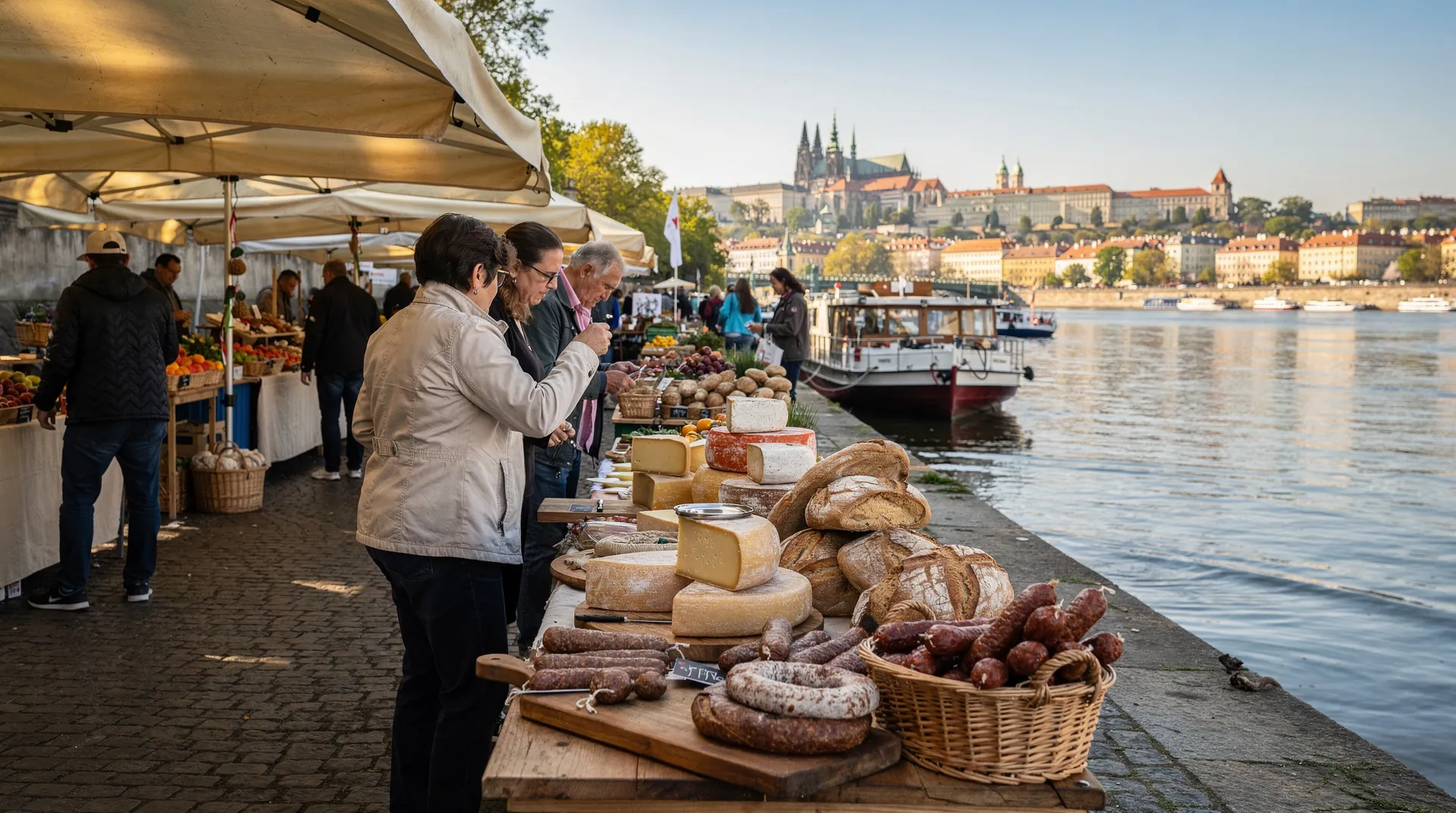
This is the established benchmark. The class starts at a Prague market — typically Náplavka Saturday farmers market or a covered market in Nové Město — where your instructor walks you through Czech seasonal produce, explains how Czechs shop and cook, and selects ingredients for the cooking session. The market component alone is valuable: you’re seeing the supply chain of Czech home cooking.
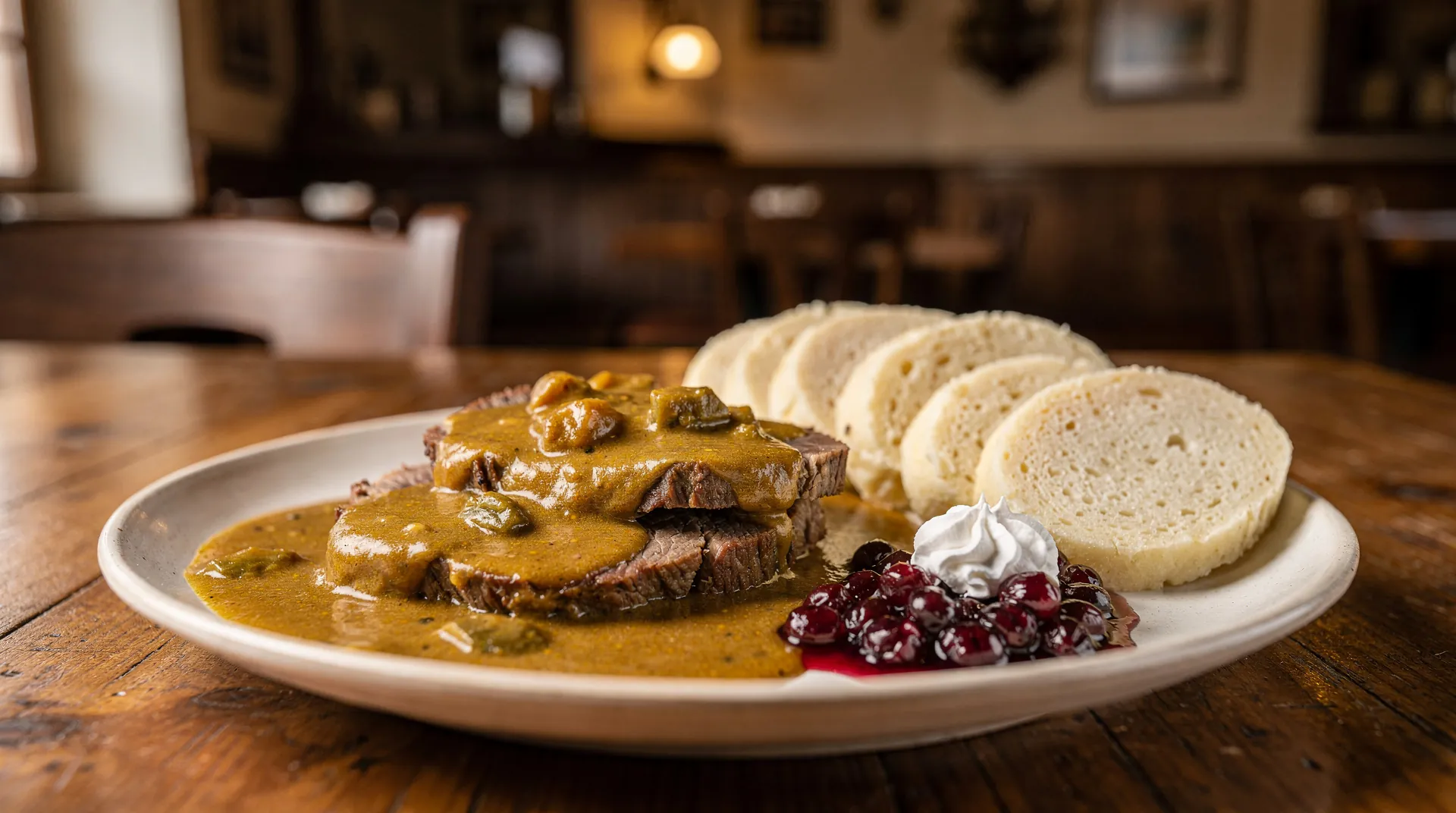
The cooking component covers three to five dishes depending on the session: typically houskové knedlíky (bread dumplings), svíčková sauce (the marinated beef sauce is time-intensive but the technique is teachable in an abbreviated form), a soup (often polévka), and sometimes a Czech dessert (medovník, ovocné knedlíky). You eat everything you make at a shared table with wine or Czech beer included.
What you actually learn: Knedlíky technique (the steaming timing, the bread-to-flour ratio, the shaping). The principle behind svíčková sauce reduction. Czech spicing (caraway, marjoram, bay) and how it differs from other European cuisines. Practical skills you can use at home.
Who it’s for: Food-interested travellers who want to understand Czech home cooking from the inside. Couples who want a structured shared activity. Anyone who cooks at home and wants to expand their repertoire.
Prague: market tour and traditional Czech cooking classPrague: traditional Czech cooking class with market tour
GYG tour ID: t469231
Duration: 3–4 hours
Price: €60–75 per person (1,500–1,875 CZK)
Includes: Market tour, cooking, meal
Group size: Up to 10 participants
A slightly smaller group (maximum 10 versus 12) and a slightly lower price than t36516. The curriculum is similar — market tour, knedlíky and Czech main course, dessert, shared meal — with a somewhat different guide personality and kitchen setup. Reviews note this class as particularly good for people who want hands-on time at every stage rather than watching the instructor demonstrate.
The smaller group means more individual attention and more time at the chopping board per participant. The cooking kitchen is a residential-scale setup rather than a professional kitchen, which actually makes the skills more transferable to home cooking.
The honest comparison with t36516: Both are excellent. The main practical difference is group size and the specific guide. If group size matters, book t469231. If you want the most established reputation, book t36516.
Prague: traditional Czech cooking class with market tourExplore typical Czech foods: tasting, cooking and dining event
GYG tour ID: t611795
Duration: 3 hours
Price: €55–70 per person (1,375–1,750 CZK)
Includes: Tasting, cooking demonstration, dining
Group size: Up to 15 participants
This option sits between a food tour and a cooking class — it’s more of a combined tasting-and-cooking event than a structured cooking lesson. You taste Czech dishes, observe or participate in their preparation depending on the session, and eat a full Czech meal at the end.
The cooking involvement is slightly less hands-on than t36516 or t469231 — some components are prepared by the chef and you observe rather than cook them yourself. This makes it better as an educational food experience than as a cooking skills class, but the price is lower accordingly.
Best for: Groups who want the food education without committing fully to a cooking class format; anyone not confident in a kitchen who wants to understand Czech food without having to produce it.
Explore typical Czech foods: tasting, cooking and dining eventWhat you’ll cook in a Prague cooking class
The specific dishes vary by session and season, but the core curriculum across all three classes includes some combination of:
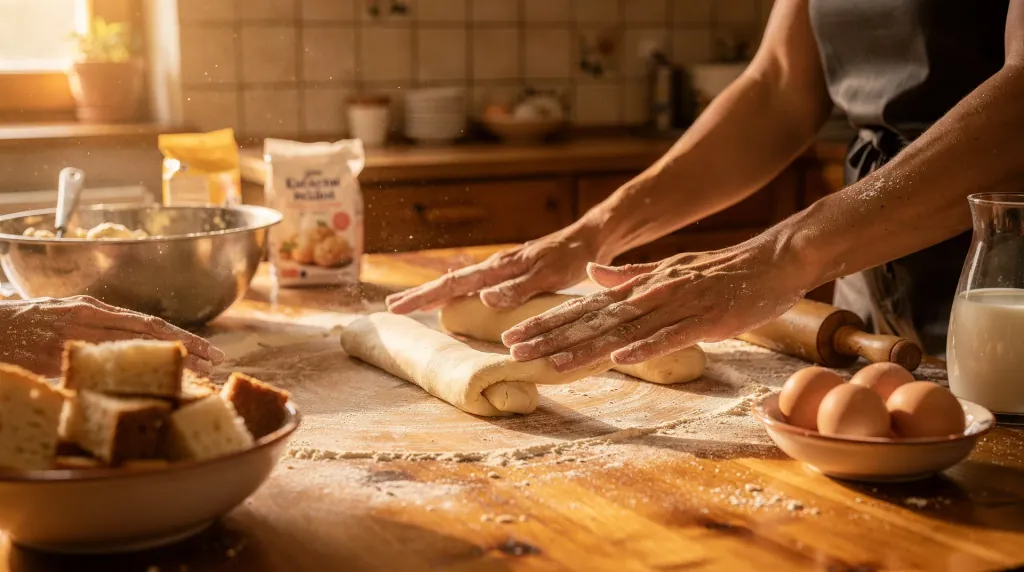
Houskové knedlíky (bread dumplings) — the most important Czech cooking skill to learn. The process: sauté stale bread cubes in butter, combine with flour, egg, milk, and a small amount of yeast. Shape into cylindrical logs. Steam for 18–22 minutes. Slice with thread, not a knife (the knife compresses the texture). The technique is not difficult but the timing matters precisely. This is the most directly useful thing you’ll learn.
Svíčková sauce — the marinated beef cream sauce. The full svíčková process takes 24+ hours (overnight marinating) so a cooking class necessarily compresses this, but the sauce reduction technique and the balance of sour cream, root vegetables, and caraway is demonstrable and learnable in an afternoon.
Guláš — the beef stew technique: caramelising onions correctly (this takes longer than most people expect — a minimum of 30 minutes on low heat), adding paprika off the heat to prevent burning, controlling liquid addition, and the final reduction phase. Good guláš technique is one of the most transferable Czech cooking skills.
Czech polévka (soup) — typically bramborová (potato) or dršťková (tripe soup, for the adventurous). Broth-based, vegetable-heavy, Czech spiced. Useful for understanding Czech soup culture.
Czech dessert — medovník (honey cake with cream filling and walnuts), štrůdl (apple strudel), or ovocné knedlíky (fruit dumplings with plum or strawberry). The dumpling dessert is particularly satisfying to make — the technique mirrors the savoury knedlíky but the result is very different.
Making Czech food at home: what you actually need
After a Prague cooking class, the main ingredients you’ll need at home that aren’t universally available:
Tvaroh — Czech curd cheese, used in koláče (pastry), pancakes, and some sauces. Substitute: quark or fromage blanc. In UK: available in Eastern European food shops. In USA: substitute whole-milk ricotta, drained.
Šumava or Bohemian pork — the specific flavour of Czech roast pork comes partly from the breed and diet of the pig. Acceptable substitute: heritage breed pork (Berkshire, Tamworth) rather than supermarket commodity pork.
Saaz hops for cooking — rarely used in home cooking but occasionally called for in beer-braised guláš. Substitute: any dry, aromatic whole hops from a homebrew supplier.
Moravian slivovitz — sometimes used in Czech cooking as a flambé element or in marinade for game. Substitute: French plum brandy (mirabelle or quetsch).
Everything else — paprika, caraway, marjoram, beef, pork shoulder, flour, eggs, bread, sour cream — is universally available.
Practical booking information
All three GYG classes include the meal you cook. Confirm dietary accommodation at booking — vegetarians can usually be accommodated with advance notice (the knedlíky and soup components are vegetarian; the meat component can sometimes be substituted). Vegan accommodation is harder in a Czech cooking context but worth asking.
Classes run year-round. Morning start times (09:00–10:00) that include a market visit are only available at the Saturday Náplavka market — confirm which market your session uses when booking, as some weekday sessions use indoor covered markets instead.
Comfortable clothing and closed shoes are the only practical requirements. Czech cooking involves flour, grease, and hot surfaces.
What cooking classes won’t teach you
A three-hour Prague cooking class can’t teach you butchery, pastry lamination, or the subtleties of Czech smoking and fermentation (the homemade fermented products like nakládaný Hermelín or homemade slivovitz that define Czech home food culture at its most interesting). These are processes that take days to weeks and fall outside the class format.
If fermentation and preservation interest you specifically, the Náplavka market’s pickle and preserve stalls are worth examining as a baseline understanding, and the Prague cooking class community sometimes offers specialist half-day fermentation sessions — search “Czech fermentation workshop Prague” outside the main GYG listings.
Common traps in Prague cooking classes
“Cooking class” that’s actually a food tour — some operators market guided food tours as cooking experiences. A real cooking class involves you holding a knife or spoon and producing a dish. If the description doesn’t specify what you’ll cook, it may be a tour with a demonstration component only. The three GYG listings above are genuine hands-on classes.
Classes in fully professional kitchens — professional kitchen cooking classes produce better-quality restaurant food but less transferable home-cooking knowledge. The residential kitchen setup of t469231 is specifically more useful for the “make this at home” goal.
Very large group cooking classes — above 15 participants, a cooking class becomes a demonstration with supervised tasting rather than genuine hands-on cooking. The classes listed above are all capped at 10–15 participants.
The three classes compared
| t36516 | t469231 | t611795 | |
|---|---|---|---|
| Group size | Up to 12 | Up to 10 | Up to 15 |
| Price | €65–80 | €60–75 | €55–70 |
| Hands-on level | Full | Full, most individual attention | Partial (some chef-prepared) |
| Best for | Established reputation, most reviews | Smaller groups, chopping-board time | Food education without full commitment |
Combining a cooking class with the rest of your trip
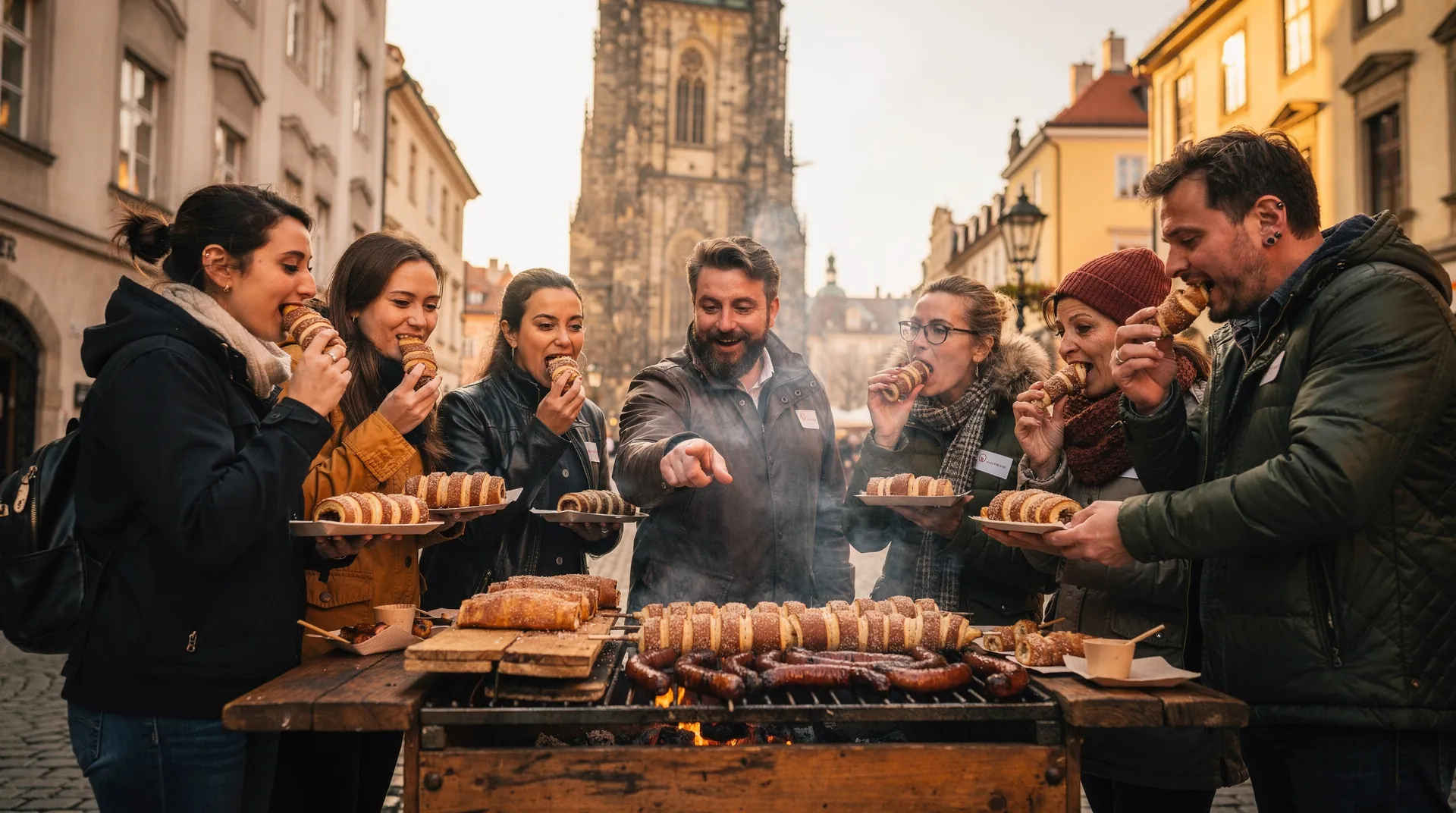
A Saturday-morning class built around the Náplavka farmers market pairs naturally with a slower Prague day — the market itself is worth exploring beyond what your instructor selects, so arrive a little early if your schedule allows. If cooking isn’t the only food experience you want, compare it against the food tours and the wider traditional Czech dishes guide — a cooking class teaches technique, a food tour covers more ground and more dishes in less time.
For visitors who want the full Czech drinking-and-eating picture, pair a cooking class with the craft beer scene or a stop at one of the best beer halls afterwards — Czech beer is the natural accompaniment to everything you’ll cook. If you’re building a short itinerary around the class, the 2-day Prague itinerary has room for a half-day cooking session without crowding out the main sights.
Frequently asked questions about Prague cooking classes
Do I need any cooking experience to take a Prague cooking class?
No. All three GYG options are explicitly designed for complete beginners. The instructor adapts to the group’s skill level. If you can follow instructions and not mind getting flour on your clothes, you’re qualified.
How physically demanding is a Czech cooking class?
Moderately. You’ll be standing for two to three hours, working at a counter. There’s some lifting (heavy pots), chopping, and occasional hot-surface work. Not suitable for people with severe mobility limitations unless they confirm accessibility with the operator in advance.
Can children attend Prague cooking classes?
Confirm with the specific operator before booking with children. The GYG listings above are primarily designed for adults. Some operators run family-friendly sessions with age-appropriate tasks (shaping dumplings is popular with children); these are usually listed separately or available on request.
Will I get recipes to take home?
All three GYG cooking classes include printed recipe cards for everything you prepare. Several also provide additional reference materials — ingredient guides, the names of Czech spice mixes, and notes on substitutes for home cooking.
Is the meal at the end of the class significant?
Yes — you sit together at a properly set table and eat everything you’ve made as a complete meal, with Czech beer or wine included in the price. This is not a token tasting; it’s a full Czech lunch. Come with an appropriate appetite.