Czech guláš deserves more credit than it gets
Guláš is the workhorse of the Czech pub menu — it appears on virtually every hospoda list, it’s the thing you order when you want to eat seriously and cheaply, and at its best it is one of the great beef stews of Central European cooking. At its worst, it’s a watery orange slick poured over dumplings in a tourist restaurant near Old Town Square.
The difference between the best and worst guláš in Prague is enormous, and most visitors never discover it because they order the first one they see on a menu with photos. This guide explains what Czech guláš actually is, how to recognise a good one, and where to eat it.
| At a glance | |
|---|---|
| Where to find good guláš | Hospody outside the Old Town Square corridor — Žižkov and Vinohrady hold up best |
| Typical cost | Around €8–14 (200–350 CZK) for a proper portion with dumplings; tourist-zone versions run €14–20+ |
| Time needed | 20–40 minutes for a sit-down bowl; it’s a meal, not a snack |
| Best paired with | A half-litre (půllitr) of Pilsner Urquell or a tmavé (dark lager) |
| Best time to order | Lunch or early dinner — some hospody sell out of the day’s batch by evening |
What makes Czech guláš different from Hungarian gulyás
The word “guláš” comes from Hungarian “gulyás” — literally “herdsman’s stew,” a dish associated with the cattle herders of the Great Hungarian Plain who cooked beef outdoors in large kettles. Both the Hungarian and Czech versions share this ancestry, but the dishes diverged significantly as they embedded in different culinary cultures.
Hungarian gulyás (gulyás):
- Soupier consistency — more liquid, almost between a stew and a thick soup
- Strong paprika presence — both sweet (édes) and hot (csípős) paprika used generously
- Often includes potatoes and carrot, sometimes spaetzle-style noodles
- Traditionally uses beef shank or shoulder, cut in larger pieces
- Brighter colour, redder-orange from the paprika
- Served as a main course in its own bowl, sometimes with bread on the side
Czech guláš:
- Much thicker consistency — reduced until the sauce coats the back of a spoon heavily
- Less paprika, more emphasis on slow caramelisation of onions and reduction
- Always served with knedlíky (bread dumplings) to absorb the sauce
- Often darker in colour — almost brown-black from long cooking rather than bright orange
- Sometimes uses beef cheeks (líčka) or neck rather than shoulder — cuts with more collagen that contribute to the rich, glossy sauce
- Caraway seed (kmín) appears in Czech guláš but rarely in Hungarian
- Sometimes includes dark beer in the braising liquid
The fundamental distinction is texture and emphasis: Hungarian gulyás is a substantial soup; Czech guláš is a thick sauce-stew designed to be eaten with dumplings.
The Czech guláš spectrum: what you’ll encounter
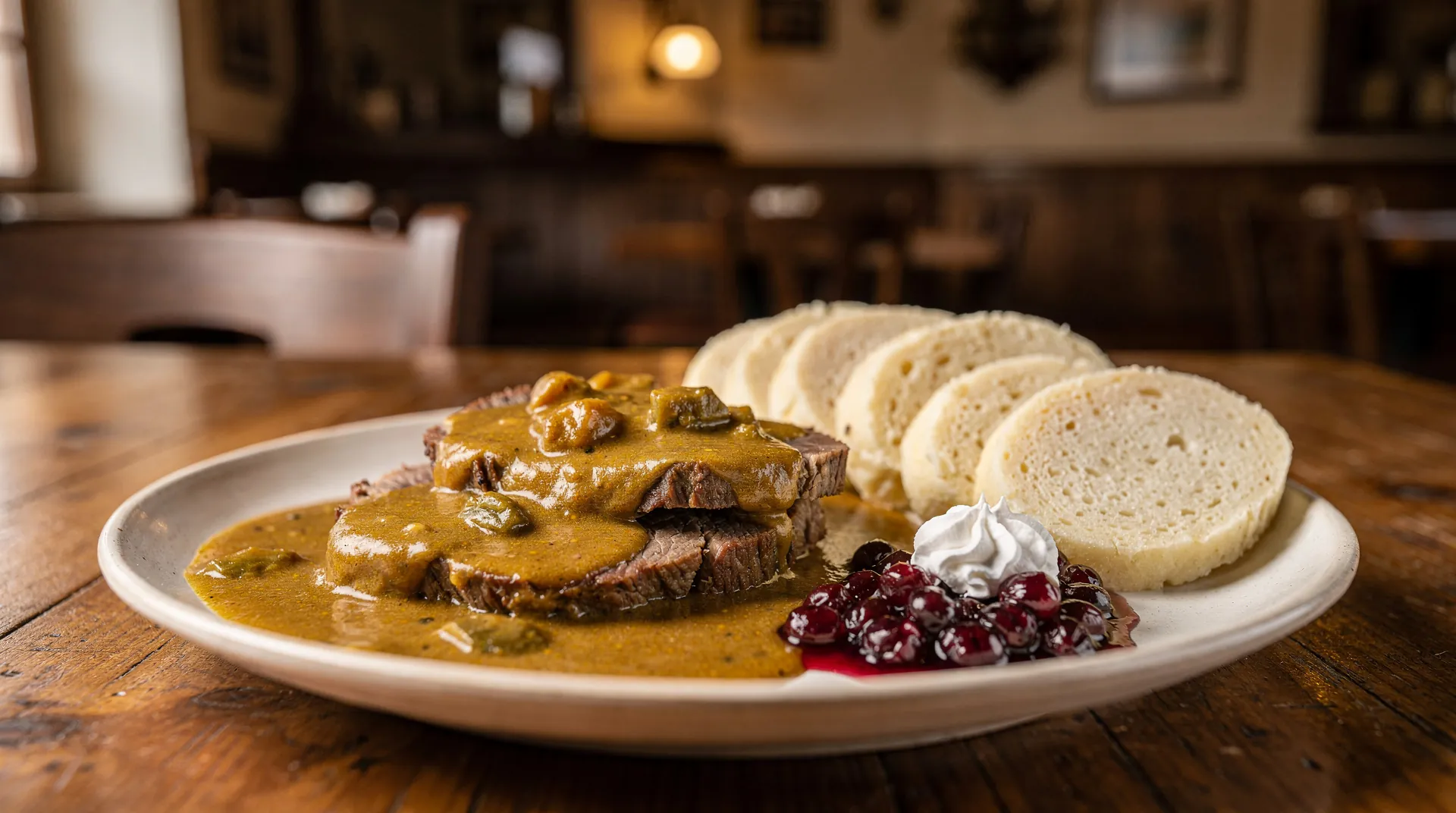
Excellent Czech guláš — dark, almost black from long reduction, thick enough that the dumplings don’t sink in it, with a sauce that’s slightly sweet from the caramelised onions and has real depth from the beef collagen. The beef should be tender but identifiable, not disintegrated. Should have a slight bitter edge from the reduced paprika and caraway.
Average Czech guláš — reasonable colour, decent beef, competent seasoning. The kind you find in most proper hospody outside the tourist zone. Fine, fills you up, pairs well with beer. Does the job.
Tourist-zone guláš — watery, bright orange-red, lacks the reduction that creates depth of flavour. The paprika is there but the cooking time wasn’t. Often made with lesser cuts and extended with stock to increase volume. Served in a large bowl to look impressive but lacks the concentration that makes real guláš worth eating. Easily recognisable: if it looks like a bowl of orange soup, it’s been done wrong.
How to tell a good guláš from a table view
One reliable indicator: how dark is it? Real Czech guláš should be somewhere between dark mahogany and near-black. The sauce should be glossy. If you can see the bottom of the bowl through the sauce, it’s too thin. If the sauce is bright orange, it’s been made too quickly with too much liquid added.
Another indicator: the knedlíky. In a good hospoda, the dumplings are freshly made (or made that day) and slice cleanly. In a tourist restaurant, they’re often pre-made and reheated — slightly dense, gummy at the edges.
Czech guláš variants
Hovězí guláš — standard beef guláš. Shoulder or neck, long-cooked. The baseline version.
Vepřový guláš — pork guláš. Sometimes better than the beef version because pork collagen produces an especially rich, glossy sauce. Less common but worth ordering when you see it.
Segedínský guláš — a variant with sauerkraut braised into the sauce. Named after the Hungarian city of Szeged, it’s a distinctly different dish: the sauerkraut’s acidity cuts the richness and makes it lighter. Often served with sour cream rather than just the stew sauce. Excellent and underrated.
Bramborový guláš — potato guláš, a vegetarian variant. Popular but typically less interesting than the beef versions.
Divočinový guláš — wild boar (divočák) guláš. Seasonal and significantly more expensive, but the gamier, denser meat produces an exceptional stew when done properly. Found in restaurants with access to Šumava or Bohemian forest hunting.
Where to eat the best guláš in Prague
Lokál Dlouhááá — Dlouhá 33, Staré Město. The hovězí guláš here is the city-centre benchmark. Well-sourced Czech beef, correct reduction, proper dumplings. €10–13 (250–325 CZK).
Pivovarský klub — Křižíkova 17, Žižkov. Dark, thick, clearly cooked by someone who cares. Served with excellent bread and rotating Czech craft beer. €9–12 (225–300 CZK).
Restaurace U Sádlů — Klimentská 2, Nové Město. A meat-focused restaurant that does the widest range of guláš variants in Prague, including segedínský and occasional wild boar versions. Excellent all-round Czech kitchen. €10–14 (250–350 CZK).
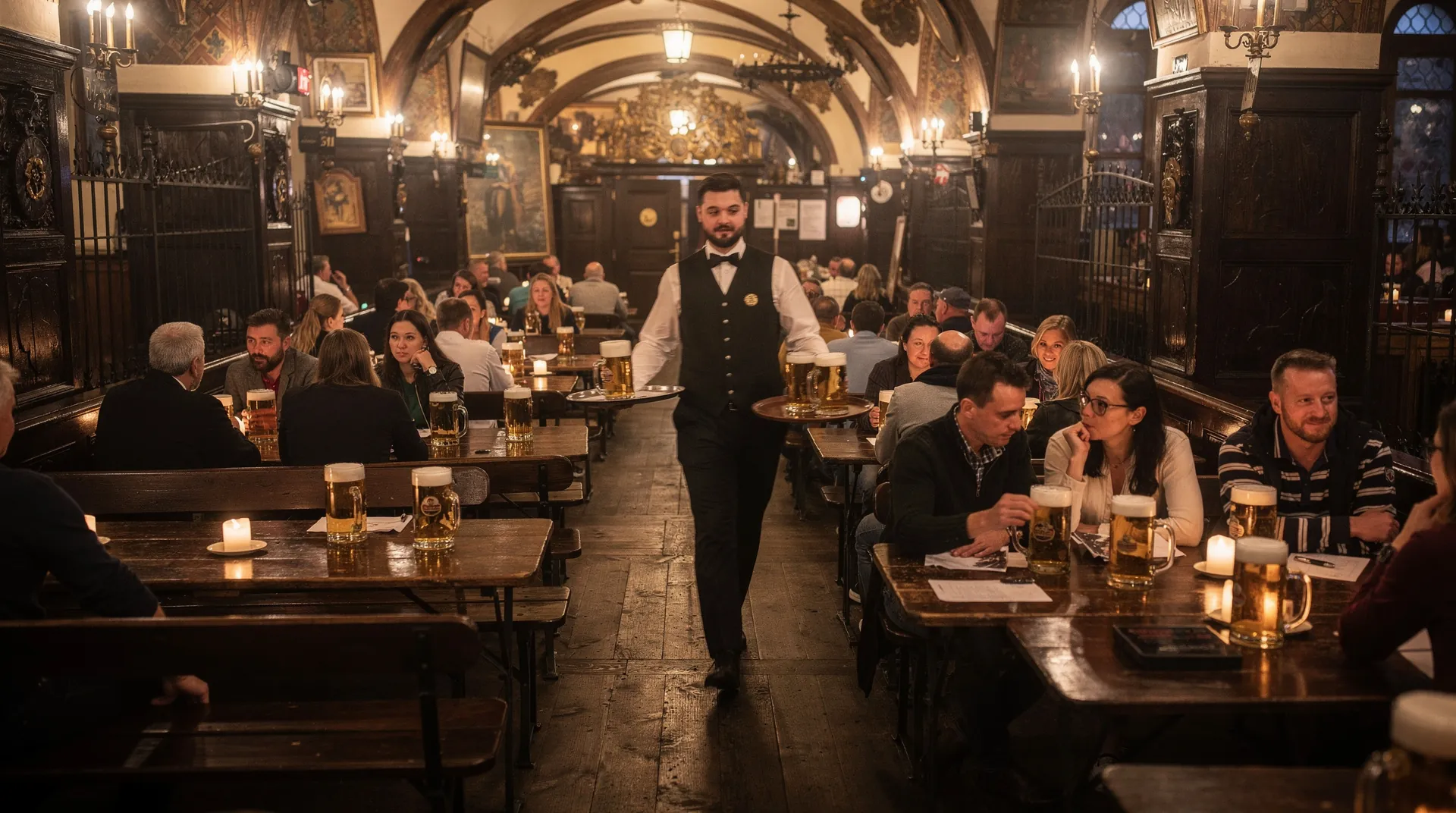
Kolkovna — V Kolkovně 8, Josefov. Part of the Pilsner Urquell-owned pub chain — standardised quality but the guláš is correctly made and the tank Pilsner Urquell alongside it is excellent value for the location. €11–14 (275–350 CZK).
Hospůdka Na Schodech — Havelská 12, Staré Město. Small, cash-only, genuinely local. The guláš here changes daily and the cook is clearly the kind of person who tastes every pot. No photos on the menu. A find. €8–11 (200–275 CZK).
Nase Hospoda — Korunní 95, Vinohrady. Neighbourhood hospoda doing properly traditional Czech food. The segedínský guláš here is the best version of that dish I’ve found in Prague. €8–12 (200–300 CZK).
What to avoid
Any restaurant that shows guláš in a photo near Old Town Square — picture menus near the Astronomical Clock are a reliable indicator of tourist-targeted quality. The guláš prices are 40–60% higher and the quality is consistently lower.
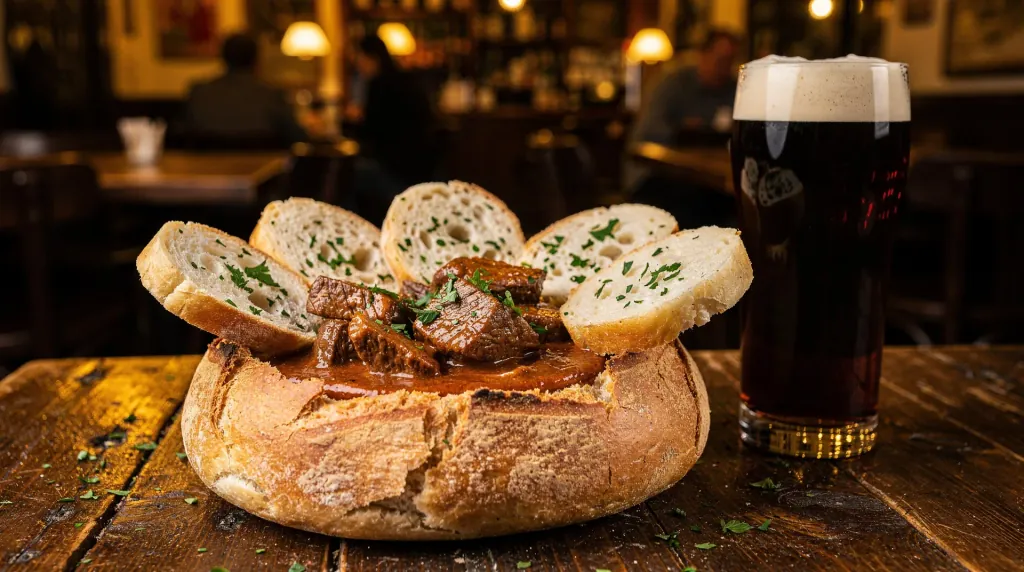
Guláš served in a bread bowl — this is a tourist theatre invention. Real Czech guláš is served in a standard bowl or deep plate with dumplings alongside. The bread bowl format (used in some tourist-zone restaurants) is appealing visually but the bread is usually stale and the guláš is often watered down to extend the visual effect.
“Goulash soup” (gulášová polévka) — this is a legitimate Czech dish but it’s a soup, not guláš. Thin broth with beef and paprika, often served as a starter. Worth ordering on its own merits; don’t mistake it for the main-course stew.
Knedlíky: the guláš accompaniment
Guláš without knedlíky is possible but unusual in Czech cooking. The standard accompaniment is houskové knedlíky — bread dumplings made from old bread, flour, egg, and milk, shaped into logs and steamed or simmered. Sliced into rounds and served alongside the stew, they absorb the sauce in a way that bread cannot: the texture is yielding and slightly sticky, which makes each piece of dumpling pick up a coating of the dark, rich guláš sauce.
Two or three slices of knedlíky are typically served. It is completely acceptable to ask for more (prosím ještě knedlíky). In some restaurants they’re free refills; in others a small charge applies.
Guláš compared to Prague’s other pub stews
| Dish | Consistency | Best paired with | Where it shines |
|---|---|---|---|
| Guláš | Thick, dark, reduced | Pilsner Urquell or tmavé | Best beer halls and neighbourhood hospody |
| Svíčková | Cream sauce, sweet-sour | Lighter lager | Sunday-lunch restaurants, see the traditional Czech dishes guide |
| Gulášová polévka | Thin broth, starter portion | Any beer | Menus that also serve the main-course stew |
| Segedínský guláš | Thick, tangy from sauerkraut | Dark lager | Restaurants doing the full guláš range, like U Sádlů |
Ordering the wrong one because the names look similar is a common first-timer mistake — see below.
Ordering guláš like a local
A few habits separate visitors who eat well from visitors who overpay. Ask “Máte dnes guláš?” (do you have guláš today) — in genuine hospody it’s often a rotating daily dish, not a permanent fixture, and asking signals you know what you’re doing. Watch what regulars order rather than picking from the photographed items on a laminated menu. If the hospoda is loud, cash-only, and has no English sign, that’s usually a good sign rather than a bad one.
Pairing matters too: a proper půllitr of Pilsner Urquell or a tmavé dark lager is the standard match. If you’re building out a wider Czech food itinerary, the food tours compared guide covers which tastings include guláš, and the best beer halls guide lists where the beer is as serious as the stew.
Frequently asked questions about Czech guláš
Is Czech guláš always made with beef?
No — pork guláš (vepřový guláš) is common and excellent. Segedínský guláš (pork with sauerkraut) is a distinct and excellent variant. Wild boar guláš appears seasonally. Vegetarian bramborový guláš (potato) exists but is a different category of dish.
What beer pairs best with Czech guláš?
The traditional pairing is Pilsner Urquell or a similar světlý ležák (pale lager) — the bitterness of the Saaz hops cuts through the richness of the stew. Some prefer a tmavé (dark lager) for the malt notes that echo the caramelised onions in the guláš. Either works. Avoid light lagers or wheat beers — they don’t have enough flavour to hold up against the stew.
How much does a guláš cost in Prague?
In a proper hospoda outside the tourist zone: €8–12 (200–300 CZK) including dumplings. In Lokál or similar quality mid-range pubs: €10–14 (250–350 CZK). In tourist-zone restaurants: €14–20 (350–500 CZK). The tourist-zone price premium does not correspond to quality improvement.
Can I make Czech guláš at home after trying it in Prague?
Yes — it’s not technically difficult, just time-consuming. The key steps are: properly caramelise the onions (minimum 30 minutes over low heat), add good Hungarian sweet paprika and Czech marjoram, sear the beef before adding, and reduce the stew uncovered for the last 30–45 minutes to get the sauce concentration right. The process is different from making a French braise.
What is the difference between guláš and svíčková?
Both are Czech beef dishes but they’re quite different. Guláš is an unstructured stew with spiced sauce, using economical cuts. Svíčková is marinated beef sirloin roasted whole then served in a cream sauce with bread dumplings and cranberry jam. Guláš is pub food; svíčková is Sunday lunch food. Both are great; both require different settings.
Is guláš served at Christmas markets in Prague?
Occasionally, but it’s not the market’s strong suit — Christmas market food stalls are priced for volume and speed, not the slow reduction real guláš needs. For a proper bowl during a winter visit, walk a few streets to a hospoda rather than eating at the stalls; see the best time to visit guide for what winter in Prague otherwise looks like.
Can I find vegetarian guláš in Prague?
Bramborový guláš (potato guláš) is the standard vegetarian option and appears on many hospoda menus, though it’s generally considered less interesting than the beef or pork versions. For a wider vegetarian rundown beyond guláš, see the vegan and vegetarian guide.
Book a food experience with guláš included
Prague: food tour with 10 tastings of Czech dishes — guláš is one of the core tastings on this tour, with guide explanation of the Czech vs Hungarian distinction.
Prague: 3-hour beer tour and traditional Czech dinner — combines beer education with a Czech dinner; guláš is frequently on the menu.