Why Kampa is the most peaceful spot near Charles Bridge
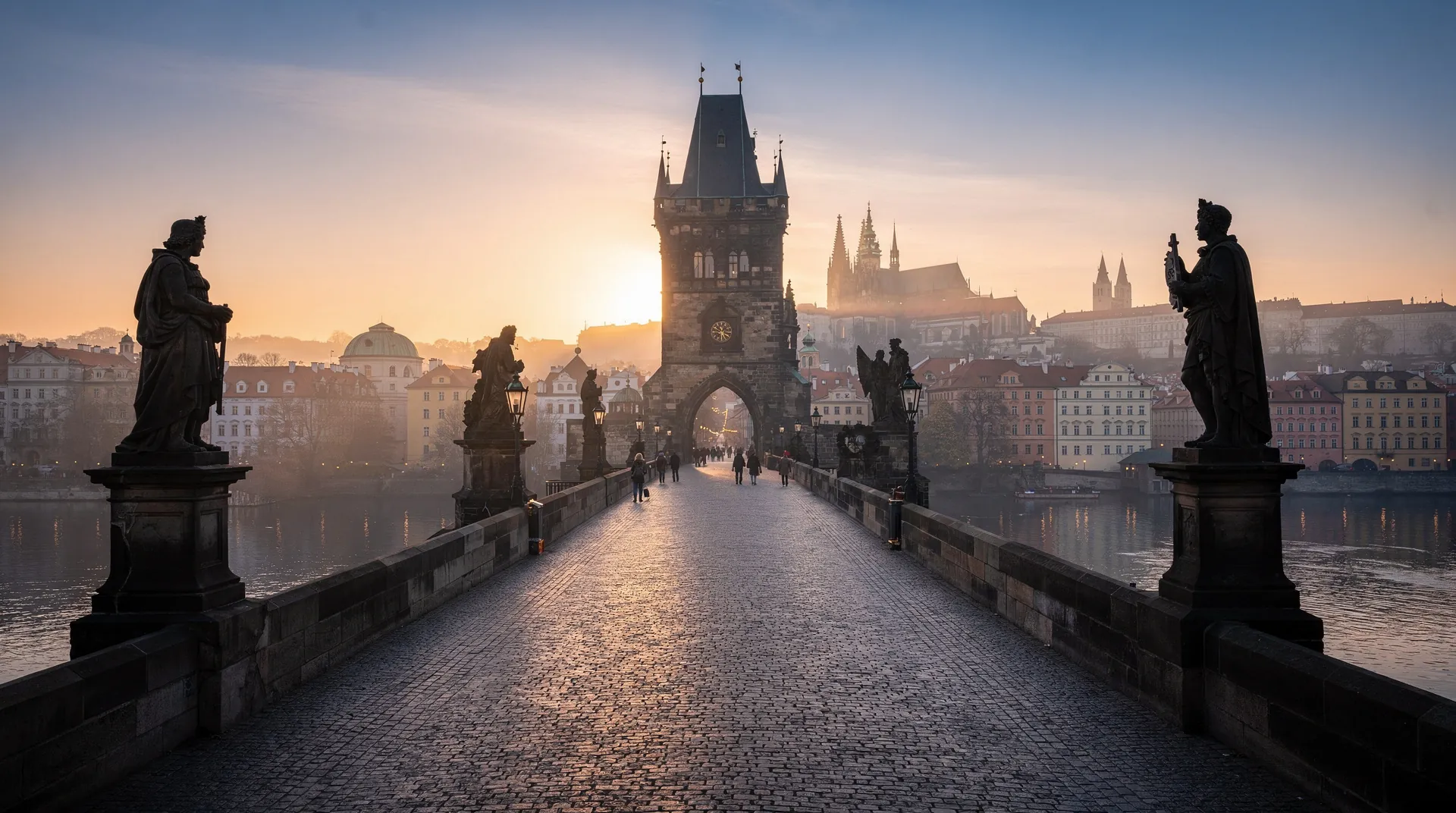
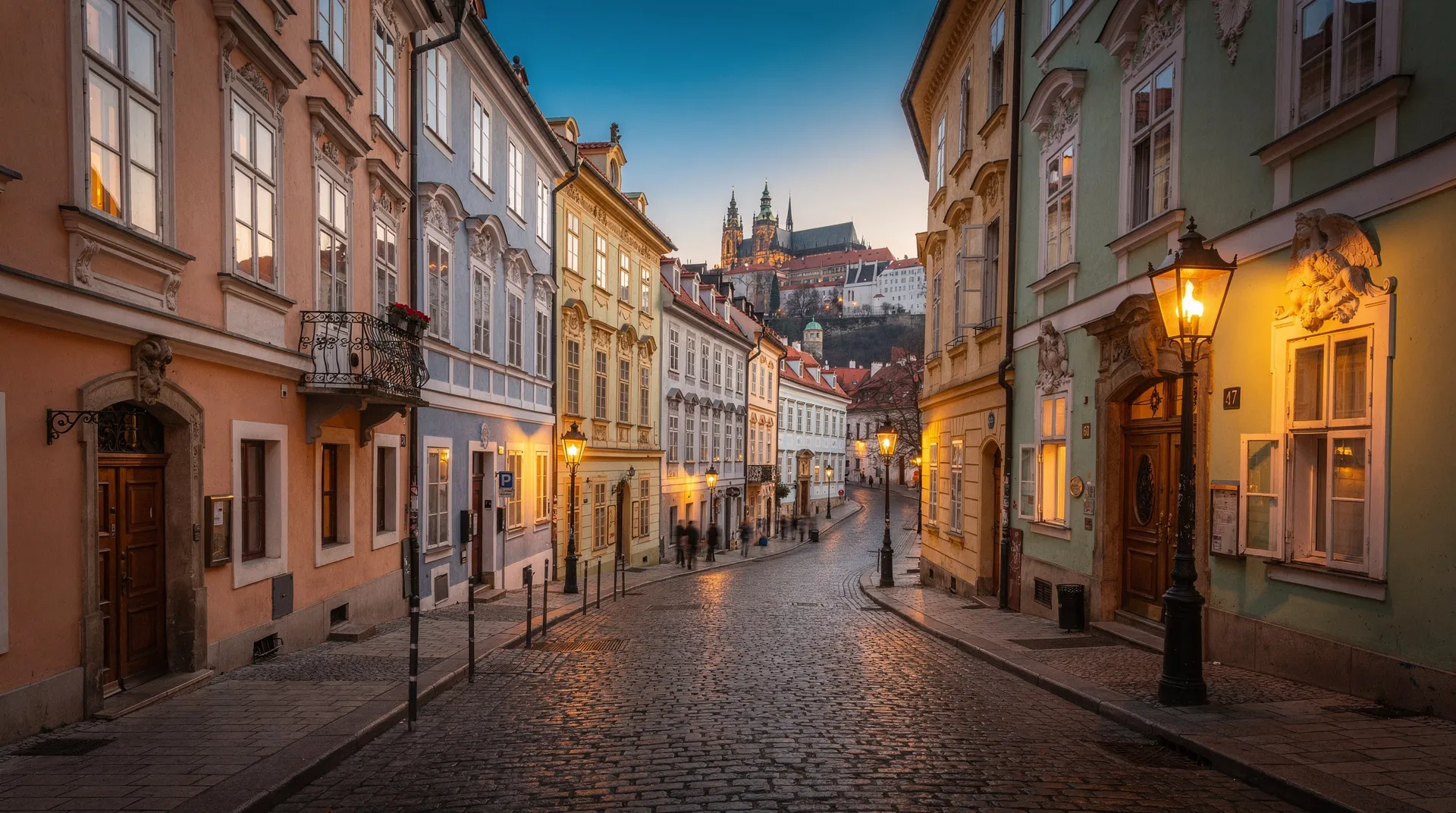
Kampa Island sits immediately south of Charles Bridge, separated from the Malá Strana bank by the Čertovka — a narrow millrace canal that has been compared, with some generosity, to Venice. The comparison is inexact but the underlying point holds: Kampa has a different quality from the rest of Malá Strana. The canal, the water mills, the riverside park, and the absence of trams and major roads give it a slower tempo.
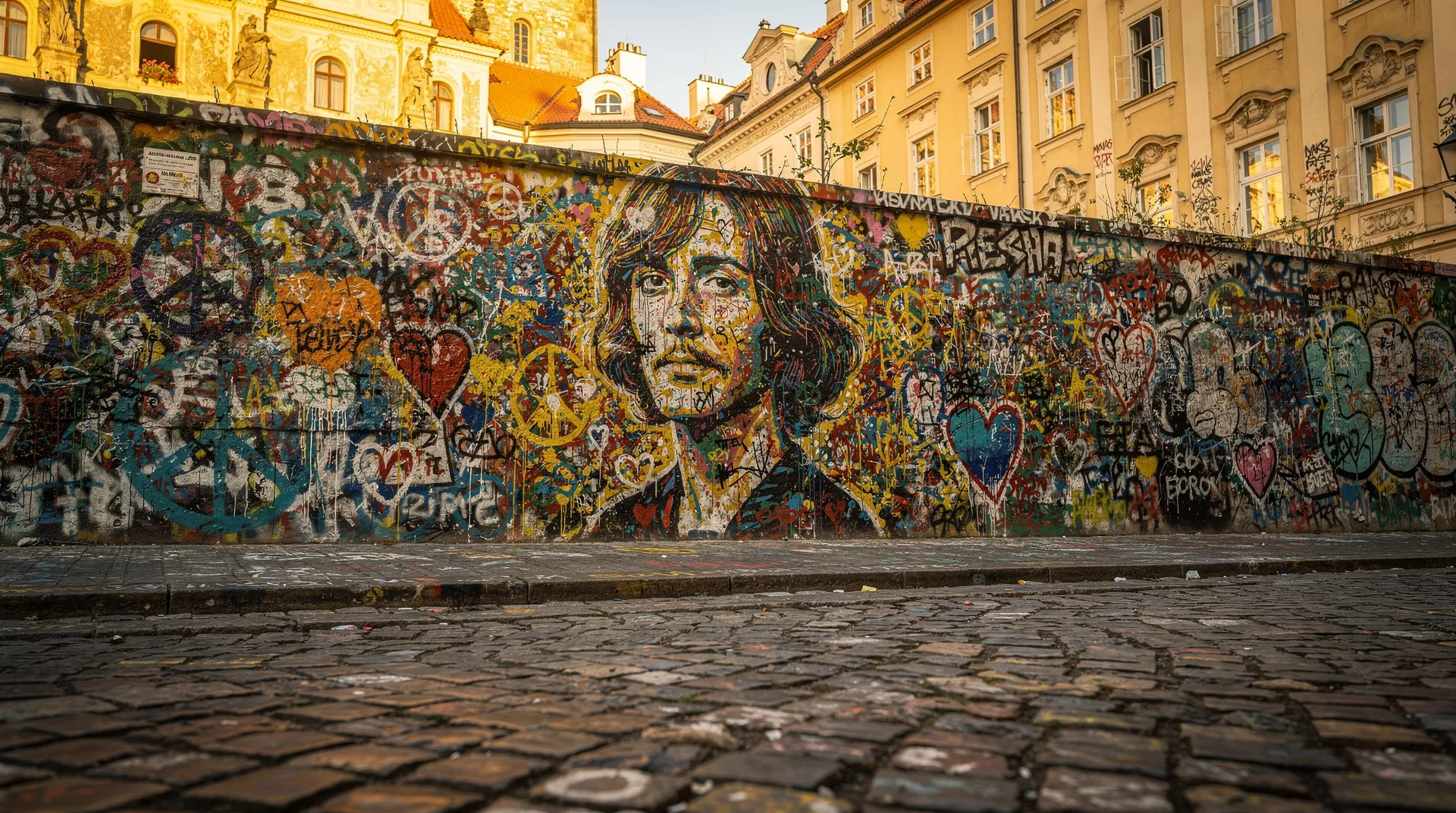
It’s worth an hour of your time if you’re in the area for Charles Bridge or the Lennon Wall — both are within 5 minutes’ walk. It’s the correct answer to the question “where can I sit by the water quietly in the middle of Prague?” The park at the southern end of the island, along the Vltava bank, is one of the least crowded riverside spots in the centre.
Museum Kampa, on the northern end of the island, is worth knowing about if you’re interested in Central European modern art.
| Where | Malá Strana, immediately south of Charles Bridge |
| Cost | Island and park: free; Museum Kampa: around €10 / 250 CZK adult |
| Time needed | 30–45 minutes for the island; add an hour for the museum |
| Getting there | 2 minutes on foot from Charles Bridge’s Malá Strana side; also walkable from the Lennon Wall |
| Best time to visit | Early morning (before 9:00) in shoulder season for empty paths and good light |
The story of Kampa Island
Kampa’s history is inseparable from the Čertovka. The canal — whose name translates roughly as “the Devil’s Stream” — was dug in the Middle Ages to power a series of water mills on the western edge of the island. The mills are mentioned in 12th-century documents. By the 17th century there were approximately 13 mills operating on the Čertovka, grinding grain for the Malá Strana district and, according to records, producing paper. The last mill operated until the early 20th century.
The island was inhabited by millers and craftsmen and, in the 17th and 18th centuries, by wealthy Malá Strana families who built garden houses along the Vltava side. The buildings on the island’s northern tip — the houses visible from Charles Bridge’s southern arches — date mostly from the 17th and 18th centuries and retain their original street plan.
The devastating 2002 Vltava floods, the worst in Prague’s recorded history, inundated the island completely. The watermark on the Museum Kampa building — visible from the park — shows the depth reached by the water: approximately 2.7 metres above normal river level. The museum was severely damaged and required reconstruction.
What to see on Kampa Island
Kampa Park (Kampa park)
The southern two-thirds of the island is laid out as a public park, with lawns running to the Vltava riverbank. This is where you go to sit on the grass, watch the river, and listen to nothing in particular. Benches face the water; the Nusle Bridge is visible to the south on clear days; the Vltava is broad and relatively quiet on this stretch. The park is lit at night and safe.
The Čertovka canal
The canal runs the full length of the island’s western edge. The path along its bank — particularly between the Charles Bridge waterwheel and the junction at Na Kampě — is one of the most photographed spots in Prague. The narrow waterway, the low bridges, the painted facades of the houses on the Malá Strana bank opposite: this is where the Venice comparison makes most visual sense. Walk the full length (about 400 metres) from the northern end to the park.
Museum Kampa
The Museum Kampa (Muzeum Kampa) occupies a converted mill complex on the island’s northern tip, directly below Charles Bridge. The collection focuses on Central European modern and contemporary art of the 20th century, with particular emphasis on Czech and Slovak artists: František Kupka (one of the pioneers of abstract painting), Otto Gutfreund (Czech Cubist sculpture), and the Meda Mládková collection of works by artists who worked in exile. The collection is genuinely significant for Czech art history.
Museum Kampa opening hours and prices (2026):
- Daily 10:00–18:00
- Adult: ~€10 / 250 CZK
- Reduced: ~€6 / 150 CZK
- Children under 6: free
The David Černý babies
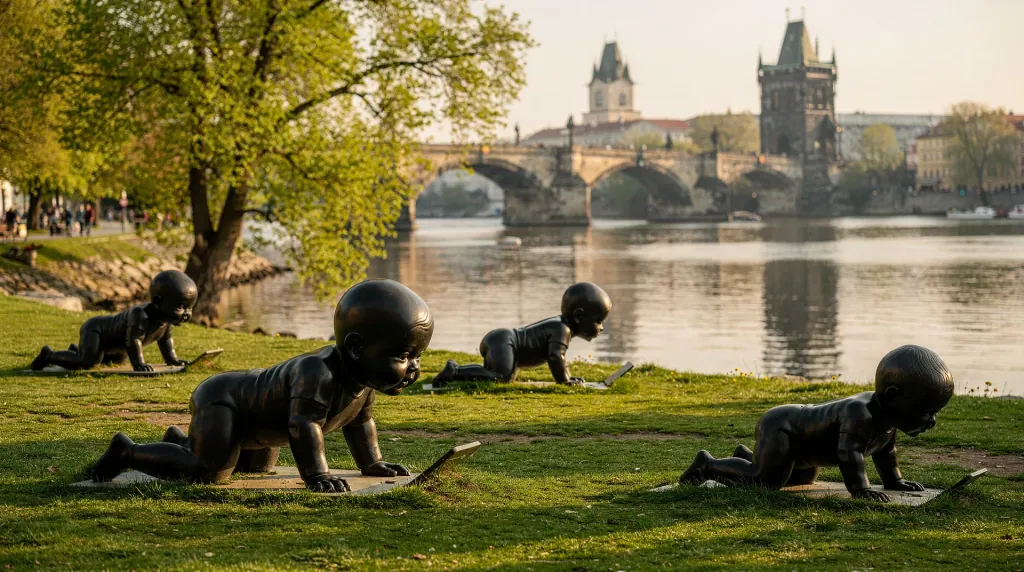
Three large bronze infant sculptures — part of David Černý’s series of crawling babies, the main group of which adorns the Žižkov TV Tower — are placed in Kampa Park, positioned as if crawling toward the river. Each is approximately 1 metre long and weighs around 100 kg. The faces are replaced by a barcode-like slot, creating an unsettling effect that is entirely characteristic of Černý’s work. They have become one of the most photographed objects in the park. The main series on the TV Tower has ten figures; the Kampa babies are three additional members of the family.
The watermill and wheel
The historic waterwheel on the Čertovka, visible from the path and from the Charles Bridge arch above, is still in working order — whether it turns depends on water levels and the season. The wheel marks the approximate site of one of the medieval mills and has been restored as a decorative element.
How to walk Kampa
The most pleasant route is: enter from Na Kampě (the street running south from Charles Bridge on the island’s eastern side), walk south along the Vltava bank through the park to the island’s tip, return north via the Čertovka canal path, exit through the northern watermill area back toward the bridge. Total walking distance: approximately 1.2 km. Allow 30–45 minutes at a relaxed pace.
Which tour to book nearby
For a focused walk through Malá Strana and Charles Bridge that includes Kampa:
Charles Bridge and Lesser Town walking tourFor a canal cruise that passes the Kampa waterway from the river:
Prague canal cruise around Charles Bridge (45 min)For an alternative Prague walking tour that goes beyond the standard tourist route:
Prague alternative walking tourFor a local guide who knows the hidden corners of Malá Strana and can explain the Kampa history:
Prague hidden gems walking tour with local guideHow to get there
On foot from Charles Bridge: The easiest approach. At the southern end of the bridge on the Malá Strana side, take the steps down from the bridge tower to Na Kampě. The island is immediately there. 2 minutes from the bridge.
On foot from the Lennon Wall: Walk north along Lázeňská and turn right at Maltézské náměstí toward the bridge. Or walk directly along the canal — the Čertovka path connects to the island’s entrance. 5 minutes.
Tram: Lines 12, 20, or 22 to Hellichova, then walk 7 minutes through Malá Strana toward the bridge.
Photographer’s note
The canonical Kampa photograph is taken from the low bridge over the Čertovka canal — the footbridge midway along the western bank — looking north toward the Charles Bridge arch. Morning light (before 09:00 in summer) eliminates shadows and catches the painted house facades. In autumn, fallen chestnut leaves on the canal surface add texture.
For the David Černý babies: early morning is again the answer — the park is empty at 07:00, and the bronze figures are dramatically lit by low-angle sun from the east.
The Museum Kampa mill complex, photographed from the canal path looking north, shows the waterwheel and the medieval stone construction at good range. Use a 35mm equivalent.
Museum Kampa’s collection in detail
The Museum Kampa’s permanent collection is built around three principal acquisition blocks, all connected to the Czech collector Meda Mládková:
František Kupka (1871–1957): Kupka is the museum’s most significant artist — a Czech painter who became one of the pioneers of abstract art, working in Paris from 1896 until his death. His early abstract works (from around 1910–1912) predate Kandinsky’s and Mondrian’s fully non-representational paintings, giving him a legitimate claim to priority in the development of abstract art. The Kampa collection includes approximately 200 of Kupka’s works across all periods — the largest single collection of his work in the world. This alone makes the museum worth visiting for anyone interested in early modernism.
Otto Gutfreund (1889–1927): Czech sculptor who developed a distinctive Cubist sculptural language between 1910 and 1920 before returning to a more realist mode in the early 1920s. The Kampa collection has a representative group of his Cubist bronzes, which are technically exceptional and visually unlike anything in the standard international modernist narrative.
The Mládková collection: Meda Mládková (1919–2021) was a Czech art dealer and collector who lived in Paris and Washington after leaving Czechoslovakia, collecting Czech and Slovak émigré artists who were excluded from the official communist art canon. Her collection — encompassing works by artists who could not exhibit in Czechoslovakia from 1948 to 1989 — forms an alternative history of Czech 20th-century art.
The temporary exhibition programme is consistently strong by Prague standards. Past shows have included retrospectives of significant Central European artists and collaborative exhibitions with major European institutions. Check the museum’s website (museumkampa.cz) for current exhibitions.
The 2002 flood and Museum Kampa
The Museum Kampa opened in September 2003, barely a year after the catastrophic 2002 Vltava flood had destroyed approximately half of the collection’s original installation. The flood watermark is visible on the exterior of the mill building — approximately 2.7 metres above normal ground level — and serves as a permanent marker of the event.
The museum’s flood experience has made it a case study in cultural heritage disaster preparedness. The lower storage areas had not been fully secured before the water arrived; a number of works were damaged or destroyed. The reconstruction incorporated flood-resistant storage systems in the lower levels and raised the archive storage above the projected 100-year flood level. A small section of the permanent exhibition documents the flood and the recovery.
The Kampa watermill: history and current state
The watermill complex on the northern end of Kampa Island is not a single structure but a cluster of buildings that represent several centuries of mill construction. The earliest documented mill on the Čertovka dates from the 12th century. By the 17th century the site had expanded to a multi-building complex with several mill wheels.
The last commercial operation of the mills ended in the early 20th century. The buildings were subsequently used for various purposes, including a ceramics workshop, before being converted to the Museum Kampa in the 1990s. The visible waterwheel on the canal is a reconstruction — the original mechanism was removed when the mills ceased operation — but the wheel rotates on the original millrace when water levels permit.
The 17th- and 18th-century mill buildings, with their stone foundations extending into the Čertovka, are among the oldest standing structures in the Kampa area. The museum’s conversion respected this heritage; the exhibition spaces largely occupy former storage and processing areas rather than the original mill chambers.
Frequently asked questions about Kampa Island
Is Kampa Island worth visiting?
Yes if you’re at Charles Bridge or Lennon Wall — it adds 30–45 minutes and is entirely free. Museum Kampa adds another hour if Czech modern art interests you.
Is Kampa Island free?
The park, the canal path, the riverside, and all outdoor areas are entirely free. Museum Kampa charges an entrance fee (~€10 / 250 CZK for adults).
What are the David Černý babies on Kampa?
Three bronze crawling babies with barcode faces, part of Černý’s ongoing series. The main group is on the Žižkov TV Tower. The Kampa pieces were installed in the 1990s and remain as part of the park’s permanent public art collection.
Is Kampa Island actually an island?
Technically yes — the Čertovka canal separates it from the Malá Strana bank. In practice, it’s connected by multiple small bridges and feels more like a waterfront district than an isolated island.
Why is Kampa called the Venice of Prague?
Because of the Čertovka canal, the low bridges over it, and the general character of the northern section with its water-level facades and narrow passages. The comparison is inexact but captures something real about the atmosphere.
When is the best time to visit Kampa?
Morning in the shoulder season (April, May, September, October): the crowds are manageable, the light is good, and the park is pleasant. Summer weekends can be surprisingly crowded near the bridge end; the southern park area remains quiet.
Kampa in context: the full Malá Strana riverside walk
Kampa Island sits at the centre of a coherent 2-hour walking circuit of the left bank’s riverside. The complete sequence:
Start: Čechův most (Čech Bridge) from Letná. Walk south along the right-bank Nábřeží Edvarda Beneše, cross at the pedestrian bridge at Čechův most, then south on the Malá Strana embankment.
Charles Bridge (Karlův most): The bridge gives access to Kampa via the steps on the south side of the Malá Strana bridge towers. Alternatively, approach Kampa from the south via the riverside park path.
Kampa Island: Walk the full circuit — canal path north, park south, river side — as described above.
Lennon Wall (Velkopřevorské náměstí): 5 minutes’ walk west from Kampa’s northern end. Allow 20 minutes at the wall.
Continue south: Petřín funicular station at Újezd is about 10 minutes from the Lennon Wall. The funicular to Petřín Hill is a natural extension for views from the hilltop.
Total walking distance for the Kampa circuit alone: approximately 1.2 km. The full Malá Strana riverside loop including Charles Bridge, Kampa, and the Lennon Wall: approximately 3 km over 2 hours with stops.
Eating and drinking near Kampa
The restaurant and café options on Kampa and its immediate surroundings:
Hergetova Cihelna (Cihelná 2b, on the Vltava bank north of Kampa): One of Prague’s best-positioned riverside restaurants, with a terrace directly facing the Charles Bridge arch from the water side. International cuisine at mid-to-upper prices. Reserve for dinner in summer.
Café Lounge at Museum Kampa (inside the museum complex): Simple café serving coffee and light food. The courtyard terrace is pleasant in warm weather.
Café Savoy (Vítězná 5, 10 minutes south of Kampa on foot): The grandest café in the area — a restored Art Nouveau interior with a serious brunch and lunch menu. More expensive than the average Prague café; worth it for the interior.
U Malého Glena (Karmelitská 23, 7 minutes’ walk): A small jazz club and bar in Malá Strana that has been running live music since 1992. Cheap drinks; inconsistent music quality; but an authentic neighbourhood spot.
Where Kampa fits in a Malá Strana day
Kampa works best as one stop in a longer Malá Strana circuit, rather than a standalone destination. Pair it with Charles Bridge at dawn, the Lennon Wall five minutes west, and — if you have the legs for a climb — Petřín Hill at the end of the walk. If your Prague plan is built around a fixed number of days, check how Kampa fits into a 3-day Prague itinerary rather than squeezing it in as an afterthought.
Practical info at a glance
- Address: Kampa Island, Malá Strana, Praha 1
- Opening hours: Park free 24/7; Museum Kampa daily 10:00–18:00
- Price: Park free; Museum Kampa ~€10 / 250 CZK
- Nearest tram: Hellichova (lines 12, 20, 22) — 7 min walk
- Nearest metro: Malostranská (Line A) — 10 min walk
- Museum website: museumkampa.cz