| At a glance | |
|---|---|
| Where | The riverbank slope beneath Prague Castle, between Charles Bridge and Petřín Hill |
| Cost to visit | Free to walk; St Nicholas Church around €4 (100 CZK); Wallenstein Garden free (April–October) |
| Time needed | 2–3 hours for the core walk; a half-day with Kampa, Petřín, and a proper lunch |
| Getting there | Metro A to Malostranská; trams 12, 15, 20, 22 on Karmelitská |
| Best time | Early morning before the Charles Bridge crowds arrive; evening for Nerudova after the tour groups leave |
What makes Malá Strana different from every other Prague neighborhood
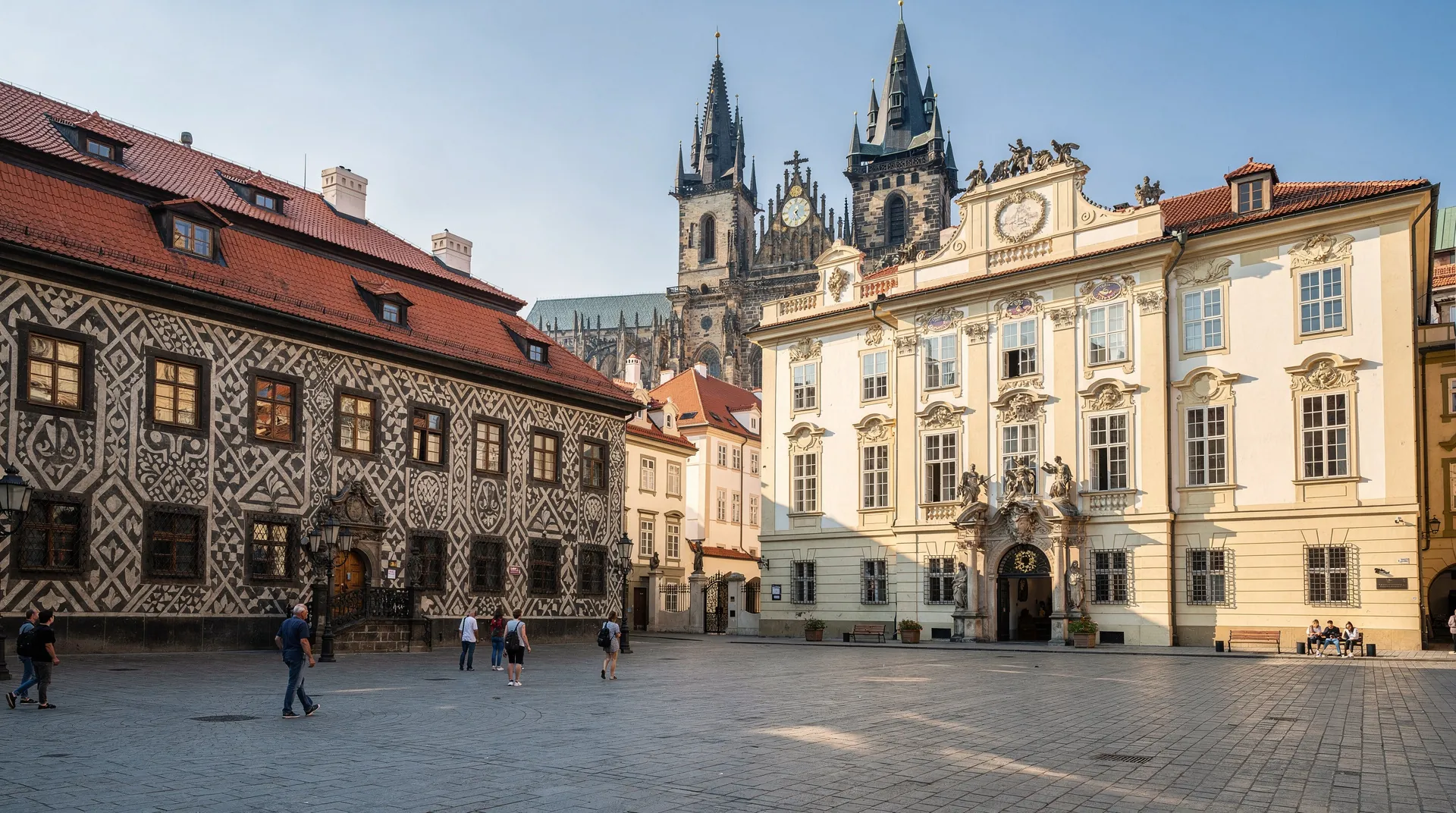
Malá Strana (Lesser Town) occupies the slope between the Vltava riverbank and the base of Hradčany Castle hill. It was the neighborhood of embassies, noble palaces, and baroque gardens during the Habsburg era, and it still looks more or less the same. The architecture is uniformly fine — orange and ochre facades, copper-green church domes, cobbled lanes designed for carriages. It is, by most measures, the most photographically beautiful part of Prague.
It is also a little strange to inhabit. Malá Strana has very few supermarkets, limited local shops, and most of its cafes cater primarily to tourists and embassy staff. Permanent residents do live here, but not many. What you get is a neighborhood that feels curated — like a Baroque open-air museum that also happens to have some very good restaurants. If that sounds appealing, it is. If you were hoping for “authentic Prague daily life,” you’ll need to take the tram to Vinohrady.
How Malá Strana compares to nearby neighborhoods
| Neighborhood | Vibe | Best for | Distance from Malá Strana |
|---|---|---|---|
| Malá Strana | Baroque, romantic, tourist-dense | Charles Bridge access, gardens | Within it |
| Hradčany | Hilltop, monumental, quiet evenings | Depth over speed, photography | 15 min uphill |
| Smíchov | Commercial, transitional | Budget stays, brewery, riverside | 15 min south |
| Staré Město | Medieval core, tourist-dense | Old Town Square, Astronomical Clock | Across Charles Bridge |
A walk through Malá Strana
Allow two to three hours, and wear shoes with grip — the cobblestones are uneven and the hills are real.
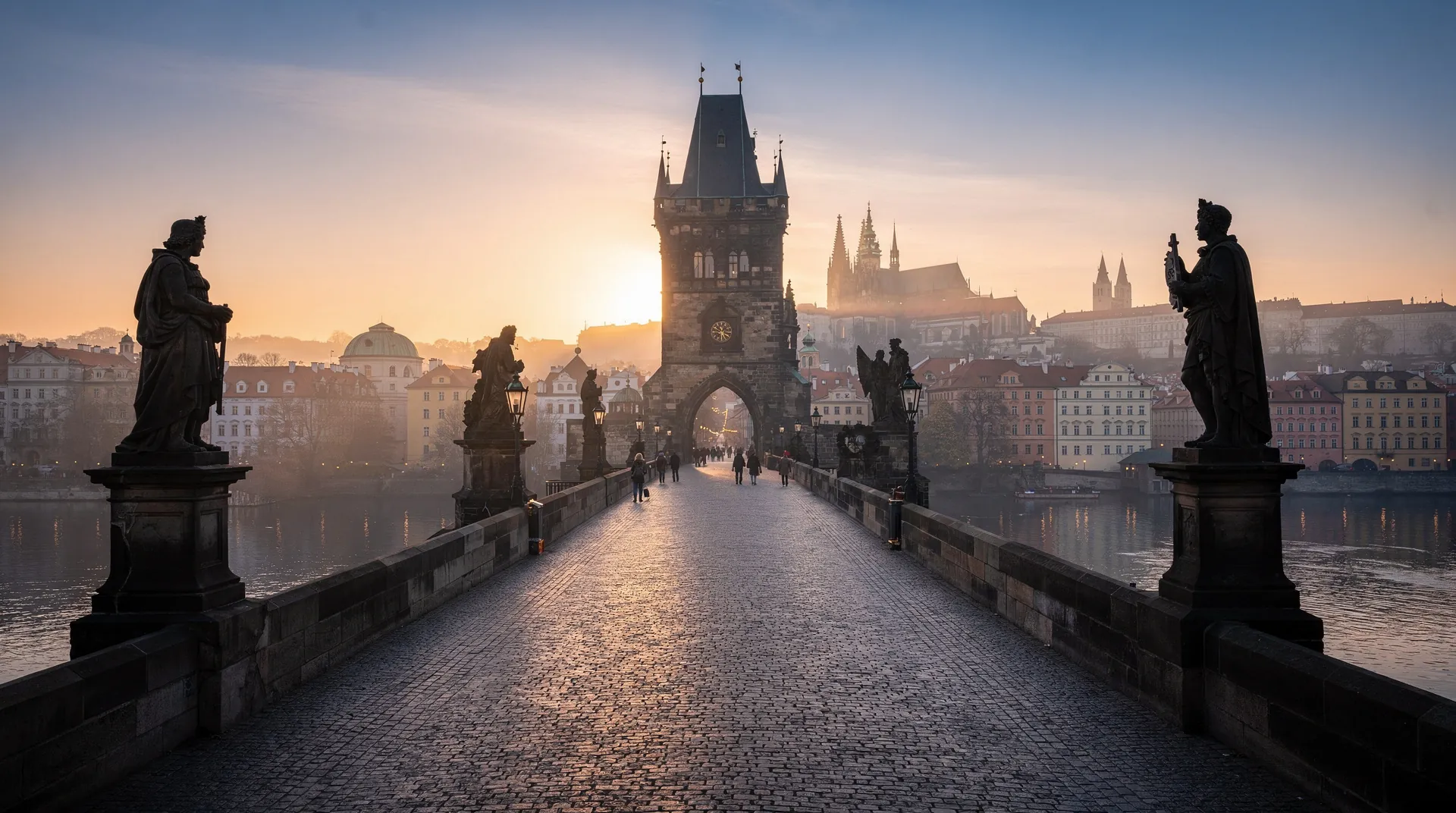
Start at the foot of Karlův most (Charles Bridge) on the Malá Strana side. The Malostranské mostecké věže (Lesser Town Bridge Towers) form one of the most recognizable Gothic gateways in Central Europe. Go through the gate, don’t just photograph it from the bridge.
Walk south along Mostecká into Malostranské náměstí (Lesser Town Square), dominated by the copper-green dome of Chrám sv. Mikuláše (St Nicholas Church). The interior is over-the-top Baroque — ceiling frescoes, gilded columns, a chandelier made from Bohemian crystal. Worth the €4 (100 CZK) entry. The square has outdoor cafes that are overpriced but have unbeatable views of the church.
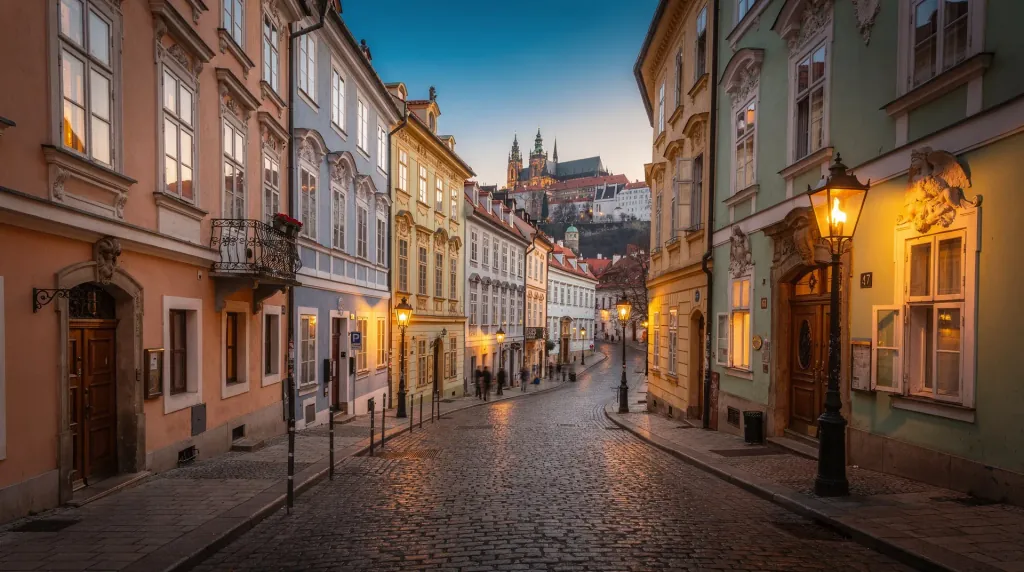
From the square, walk southwest up Nerudova ulice, one of the steep lanes that leads toward the castle. The street is named for the poet Jan Neruda and lined with Baroque palaces identified by their house signs (a golden key, a green lobster, a red eagle) — numbering didn’t arrive until the 18th century. This street is in every Prague photo album but is still worth walking.
Detour into the Valdštejnská zahrada (Wallenstein Garden) if you’re visiting April–October — Prague’s finest Baroque palace garden, with its geometric hedgerows, bronze Adriaen de Vries sculptures (these are replicas; the Swedes took the originals in 1648), and a wall decorated with fake stalactites. Free entry.
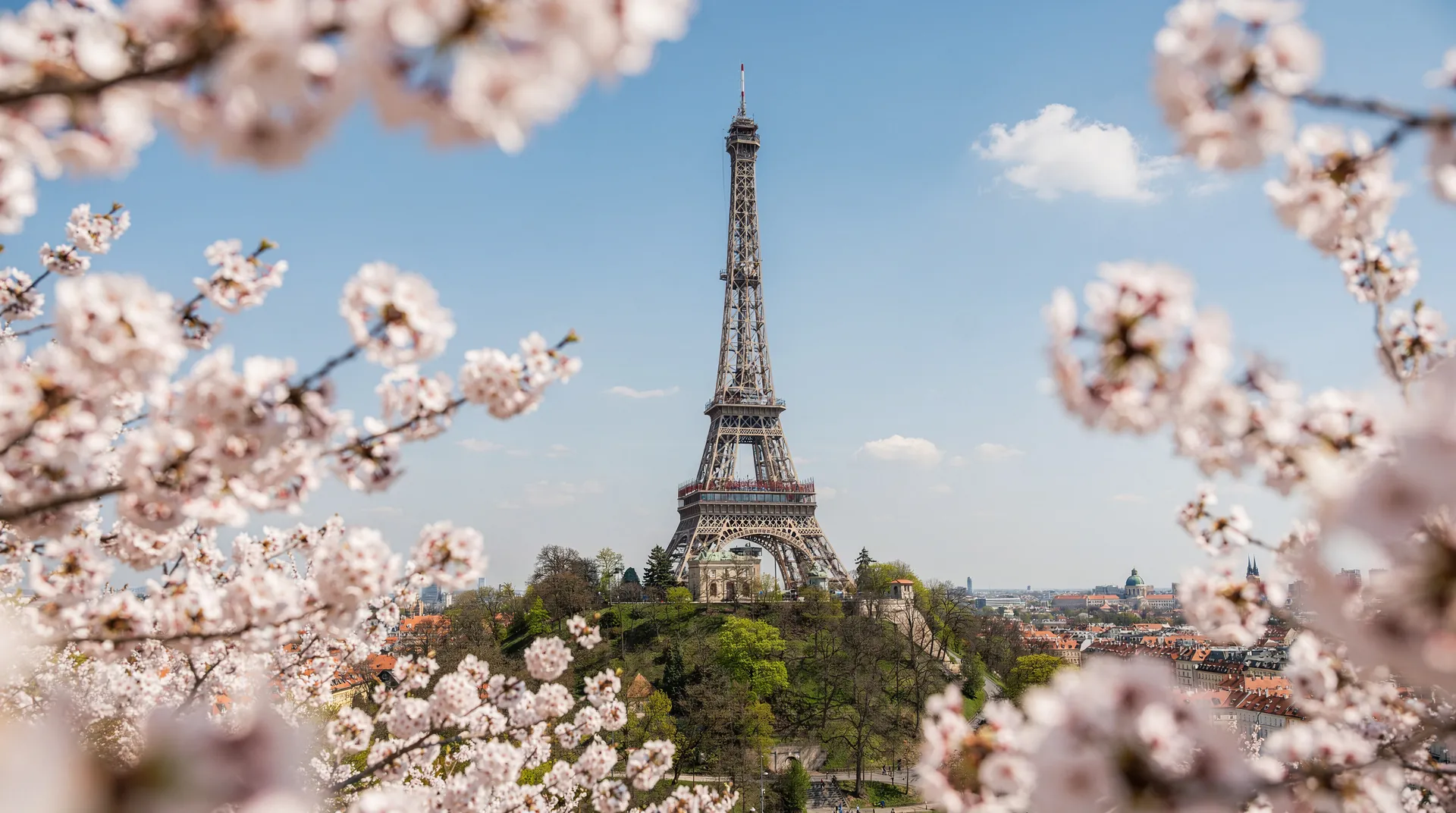
Continue toward Petřín via the funicular from Újezd — a single ride costs €4 (100 CZK, or 90 CZK with the PID Lítačka app), and it is free with a 24-hour or 72-hour PID ticket (not with 30- or 90-minute tickets). At the top, the Petřínská rozhledna (Petřín Lookout Tower) is a scaled-down Eiffel Tower that gives the best elevated view of Prague available to someone not in a helicopter.
End in the Kampa district — the small island tucked behind the Charles Bridge, connected to Malá Strana by footbridges across the Čertovka (Devil’s Stream). The Kampa Museum of modern art is here, and the riverside park is one of the most pleasant spots in Prague for doing absolutely nothing.
Charles Bridge and Lesser Town walking tour (2 h, from €14)Where to eat
Quick lunch
U Malého Glena on Karmelitská is a jazz bar by night and a lunch spot by day; their Czech soups and grilled meats are honest and reasonably priced at €7–10 (175–250 CZK). Café Savoy on Vítězná is one of Prague’s great heritage café-restaurants — a neo-Renaissance interior with properly made wiener schnitzel and Czech desserts. Lunch is around €12–16 (300–400 CZK) and requires patience for a table.
Dinner
Noi on Újezd is the neighborhood’s best surprise — a Vietnamese restaurant that has been quietly excellent for years, with a calm interior and mains around €10–14 (250–350 CZK). Unusual enough in a neighborhood that otherwise defaults to Central European cuisine. Alchymist Restaurant in the hotel of the same name is the high end: candlelit cellar dining, refined Czech-European cooking, mains from €22 (550 CZK). Hergetova Cihelna on the riverbank below Malostranské náměstí has the views to match any location in Prague and serves solid international-leaning food at mid-range prices (€15–22 / 375–550 CZK).
Cafes and bakeries
Café Louvre is technically just across the river but close enough to count for post-Malá Strana coffee. In the neighborhood itself, Kavárna Nový Svět near the Loreto is a tiny, atmospheric café in one of the quietest corners of this already quiet district. Cukrkávalimonáda near Karmelitská is charming and local-facing, with good coffee and homemade cakes.
Where to drink
Jo’s Bar and Garáž near Malostranské náměstí has been a neighborhood fixture for decades — unpretentious, cheap by local standards, popular with expats and students from the nearby embassies. Bar Bar on Všehrdova is a good wine bar with Czech natural wines and no pretension. For atmosphere over cocktail quality, the terrace of U Malého Glena on a warm evening is hard to beat.
Where to stay
Malá Strana is ideal for honeymooners, anniversary trips, and anyone whose priority is “step outside, be in a Baroque painting.” The neighborhood runs almost entirely toward the luxury end — converted palaces with proper concierge service are what the market delivers here. Hotel Aria on Tržiště is a music-themed boutique hotel with a rooftop garden and castle views that justify the price. Hotel Neruda on Nerudova is mid-range by Malá Strana standards and has the address to prove it. Budget travelers: you’re effectively being priced out of the neighborhood; consider Žižkov or Nové Město instead. Note that Malá Strana is very quiet after about 10 pm — which is either a selling point or a problem depending on what you’re after.
Getting here and around
Metro Malostranská (A/green line) drops you at the north end of the neighborhood. From there, it’s a five-minute walk to Malostranské náměstí or ten minutes to Charles Bridge. Trams 12, 15, 20, and 22 run through the neighborhood on Karmelitská, connecting to Újezd (for Petřín funicular), Smíchov to the south, and across the river to Staré Město and Letná. Prague Castle is a steep 15-minute walk up from the square, or tram 22 to Pražský hrad stop.
Common misses in Malá Strana
The Čertovka channel and Kampa island are technically not secret, but enough visitors skip them that it qualifies. The narrow lane along the Čertovka — Prague’s “Little Venice” — has a wooden watermill that’s been turning for centuries. It’s five minutes from Charles Bridge and completely different in character.
The Senate Garden (Senátní zahrada) off Valdštejnské náměstí is even less visited than the Wallenstein Garden next door, and it’s free. A quiet path through hedges, with views up toward the castle.
Nerudova in the evening after the tour groups have descended toward the river is a completely different experience from the same street at noon — quieter, lit softly by the old lanterns, and actually romantic rather than just photogenic.
Petřín Funicular, Petřín Hill and tower tour (self-guided, tickets included)Frequently asked questions about Malá Strana
Is Malá Strana safe?
Yes, it is one of the safest and quietest neighborhoods in central Prague. Its main risks are slippery cobblestones in wet weather and very occasional pickpocketing near Charles Bridge. There is essentially no nightlife crime because there’s essentially no nightlife.
How do I get from Malá Strana to Prague Castle?
Walk up Nerudova — it’s steep but takes about 15 minutes from Malostranské náměstí. Alternatively, tram 22 stops at Pražský hrad, putting you at the western gate. You can also walk up the castle steps from Malostranské náměstí via Ke Hradu street.
Is Malá Strana good for families with children?
Yes, with some caveats. Petřín Hill has a mirror maze and a lookout tower that children love. Kampa Park is good for running around. But strollers on cobblestones are genuinely difficult, and there are no playgrounds in the neighborhood core.
How long should I spend in Malá Strana?
Half a day covers the main sights: Charles Bridge towers, St Nicholas Church, Malostranské náměstí, Wallenstein Garden, and Petřín. A full day includes Kampa, Nerudova, and a proper lunch or dinner. Staying overnight (if budget allows) means you get the streets to yourself at dawn.
What is the Kampa Museum?
The Kampa Museum (Museum Kampa) is a privately funded modern art museum on the island of Kampa, focusing on Central European art of the 20th century — particularly Czech, Slovak, and Polish modernism. The collection of František Kupka works is exceptional. Tickets are around €8 (200 CZK).
When are the Baroque gardens open?
The Wallenstein Garden and most palace gardens are open April to October, typically 10 am–6 pm (with extended hours in summer). They close for winter. The Vrtba Garden, one of the finest terraced Baroque gardens in Central Europe, is also in Malá Strana and is open similar hours.
Is Malá Strana or Hradčany the better choice for avoiding crowds?
Hradčany, decisively — it sits a level higher on the hill and sees a fraction of the foot traffic once you’re past the castle gates. Malá Strana’s main axis (Mostecká, Nerudova, the square) is one of the busiest corridors in the city by midday, though its side streets (Vlašská, Říční, Lázeňská) stay quiet even then.
Full day in Malá Strana: 9am to 10pm
9:00 — Cross Charles Bridge from the Old Town side, arriving on the Malá Strana bank before the tour buses load. Through the Malostranské mostecké věže (the Lesser Town Bridge Towers) and into Mostecká. 9:30 — St Nicholas Church interior (€4 / 100 CZK) — the Baroque ceiling fresco and Bohemian crystal chandelier justify the entry. The square outside has outdoor café terraces; for coffee, Cukrkávalimonáda on nearby Lázeňská is better value.
10:30 — Wallenstein Garden (free, April–October, closes for winter) — geometric baroque hedgerows, the de Vries sculptures (replicas; Sweden took the originals in 1648), and the wall of artificial stalactites. Quiet on weekday mornings. 12:00 — Lunch at Café Savoy (Vítězná 5) — the best heritage café-restaurant in Prague. Wiener schnitzel, house-made pastries, Art Nouveau interior that earns the name. Allow an hour.
13:30 — Petřín Hill via the funicular from Újezd (€4 / 100 CZK single, free with a 24-hour or 72-hour PID ticket). Mirror maze (bludiště) and the 63-metre Lookout Tower at the summit. Walk down through the rose gardens toward Kampa. 16:00 — Kampa Island via the Čertovka channel — the narrow lane alongside the Devil’s Stream has a working wooden watermill and leads to the Kampa Museum of modern art (€8 / 200 CZK for the Kupka collection alone).
18:00 — Vrtba Garden (Karmelitská 25, open April–October, €5 / 125 CZK) — the terraced baroque garden climbing the hillside is the most beautiful garden in Prague. Allow 45 minutes. 20:00 — Dinner at Hergetova Cihelna (Cihelná 2b, riverbank below Malostranské náměstí, €15–22 / 375–550 CZK, riverside terrace in summer). 22:00 — Evening walk: Nerudova street after dark, when the tour groups have long descended and the lanterns light the baroque facades without a crowd.
Local daily rhythm in Malá Strana
07:00–09:00 — Malá Strana at its best. Locals walking dogs, a few early photographers, the morning light on the Castle. Bar Bar on Všehrdova opens early; the market at Tržiště occasionally has early vendors.
09:00–12:00 — Tour buses begin arriving from the Castle direction. The main tourist axis (Mostecká, Nerudova) fills. Side streets (Lázeňská, Říční, Vlašská) remain quiet.
12:00–16:00 — Peak density, particularly on Charles Bridge (severe) and around Malostranské náměstí. The Petřín funicular queue can be 20–30 minutes at this hour.
16:00–19:00 — The slow exhale: tour buses depart from the Castle, the crowd on Nerudova thins, the baroque gardens are at their best in late afternoon light with few visitors.
19:00–23:00 — Malá Strana is very quiet. This is not Berlin. The restaurants are open, the wine bars are pleasant, and the neighbourhood is exactly itself — atmospheric, lantern-lit, slightly like walking through a sleeping baroque painting.
Where to stay in Malá Strana
Hotel Aria (Tržiště 9) — music-themed boutique hotel with a rooftop garden offering direct Prague Castle views. 52 rooms, each themed around a musician. Direct private entrance to Vrtba Garden. From €300 / 7500 CZK per night. Pros: unmatched rooftop view, extraordinary garden access, intimate scale. Cons: expensive, steep approach streets.
Augustine Hotel (Letenská 12-33) — a former 13th-century Augustinian monastery. Managed by Marriott Luxury Collection. Vaulted ceilings, the original brewery (now a bar), a remarkable private garden. From €280 / 7000 CZK. Pros: historic fabric impossible to replicate. Cons: rooms vary considerably in size and light.
Hotel Neruda (Nerudova 44) — mid-range by Malá Strana standards, on the famous street named after the poet. Small boutique with a great address. From €140 / 3500 CZK. Pros: genuinely on Nerudova, good value for the neighbourhood. Cons: cobblestone access with luggage.
5 specific food recommendations with addresses
Café Savoy — Vítězná 5. Lunch/brunch €12–18 / 300–450 CZK. The benchmark for Central European café-restaurant culture in Prague. House-baked bread and pastries, wiener schnitzel, excellent coffee.
Hergetova Cihelna — Cihelná 2b. Mains €15–22 / 375–550 CZK. International-leaning kitchen on the riverbank below the bridge towers. The terrace view of Charles Bridge is the best restaurant view in the neighbourhood.
Noi — Újezd 19. Mains €10–14 / 250–350 CZK. Vietnamese restaurant that has been quietly excellent for years. The neighbourhood’s best surprise and a welcome break from Central European menus.
U Zlaté hrušky — Nový Svět 3 (Hradčany border). Mains €14–20 / 350–500 CZK. Czech game dishes in a small cellar restaurant. One of Prague’s hidden gems — the location in the Nový Svět lane makes it worth finding.
Cukrkávalimonáda — Lázeňská 7. Coffee and cake €5–8 / 125–200 CZK. Local café with excellent coffee and homemade cakes, an entirely non-touristy atmosphere three minutes from Charles Bridge.
3 bar and café recommendations
Bar Bar — Všehrdova 17. Wine bar with Czech natural wines, no pretension, mixed crowd. One of the most comfortable evening spots in the neighbourhood.
Strahov Monastery Brewery — Strahovské nádvoří 301. St Norbert’s dark lager (€3.50 / 90 CZK per half-litre) on the terrace above Malá Strana. One of the finest afternoon beer spots in Central Europe.
Jo’s Bar and Garáž — Malostranské náměstí 7. Prague institution, unpretentious, cheap by local standards, popular with expats and embassy staff. The bar below (Garáž) is livelier after midnight.
Hidden details in Malá Strana
The wooden watermill on Čertovka — Říční street, along the Devil’s Stream channel between Kampa Island and Malá Strana. The watermill wheel has been turning since the 17th century and is barely 100 metres from Charles Bridge but missed by 90% of visitors.
Baroque House Signs on Nerudova. Before street numbering (18th century), every Prague house was identified by a carved or painted sign. Nerudova has an exceptional collection: the Two Suns (no. 47, where Jan Neruda was born), the Golden Key (no. 27), the Green Lobster (no. 43), the Red Eagle (no. 6). Walk slowly up the street and read the houses.
The Senate Garden (Senátní zahrada) — off Valdštejnské náměstí, between the Wallenstein Garden and the Senate building. Smaller and quieter than the Wallenstein Garden next door, with a different character — a working garden for the Senate building rather than a baroque showpiece. Free, rarely crowded.
Prague City Highlights Private Walking Tour — covers Charles Bridge, Malá Strana, and Old Town with a private guide; the best way to understand what you’re looking at.
Beating the Charles Bridge crowds
Charles Bridge is genuinely at its best before 8 am — after that, the density climbs steadily until early evening, and by midday it’s a shuffling procession rather than a walk. If you only get one uncrowded pass across it, take it at dawn from the Malá Strana side heading toward Staré Město, with the sun behind you and the castle silhouette still holding onto the night.
The bridge towers themselves (both sets) are quieter than the bridge deck at almost any hour, since most visitors walk past without climbing them. For a genuinely different bridge experience, a handful of the early river cruises pass beneath it before the tour groups arrive — worth considering if you’re staying near Smíchov or Nové Město and can get to the riverbank early.
Practical at a glance
- Metro: Malostranská (A, green line)
- Trams: 12, 15, 20, 22 through Malostranské náměstí and Karmelitská
- Walking time to Old Town Square: 15 min (across Charles Bridge)
- Walking time to Prague Castle: 15 min up Nerudova
- Vibe: Romantic, baroque, quiet evenings, embassy-district energy
- Best for: Couples, photographers, castle-focused visitors, those who want beauty without the Old Town density