At a glance
| Where | Troja, north of the city centre, on the Vltava’s east bank |
| Cost | Around €12 adult / €8 child; family tickets around €35 |
| Time needed | Full day (5–6 hours) to see everything; half-day (3–4 hours) for highlights |
| Getting there | Bus 112 from Nádraží Holešovice (metro Line C), around 15 minutes; or boat May–October |
| Best time | Weekday mornings in May or September; avoid summer weekends |
Why Prague Zoo consistently ranks among the world’s best
Zoo Praha is an unusual case: it occupies a spectacular hillside site in the Troja valley north of the city, with the Vltava curving below and forested slopes rising behind. The terrain dictates the layout — enclosures follow the contours of the land, creating naturalistic habitats rather than flat grid arrangements. The result is a zoo that feels more like a landscape than an institution.
The practical reasons to visit are equally strong. The collection is large (approximately 700 species, 5,000+ individual animals), the enclosures are spacious and thoughtfully designed, and the zoo has a genuine conservation programme — the Przewalski horse breeding programme here helped bring the species back from extinction in the wild. Forbes magazine rated it fifth best zoo in the world; that ranking has been consistent across multiple evaluation years.
Worth the full day if you have children or any interest in wildlife. Worth a half-day even without children if the weather is good and you’re looking for a green, uncrowded alternative to the city centre.
What to see at Zoo Praha
The gorilla pavilion (Údolí slonů — Elephant Valley)
The Asian elephant enclosure is the zoo’s signature investment — opened in 2013 after years of development, it provides a multi-hectare habitat including an indoor stable, outdoor terrain, and a pool large enough for the elephants to swim in. The elephant herd (including young calves) is one of the most successful breeding groups in European zoos.
The gorilla pavilion (Gorila house)
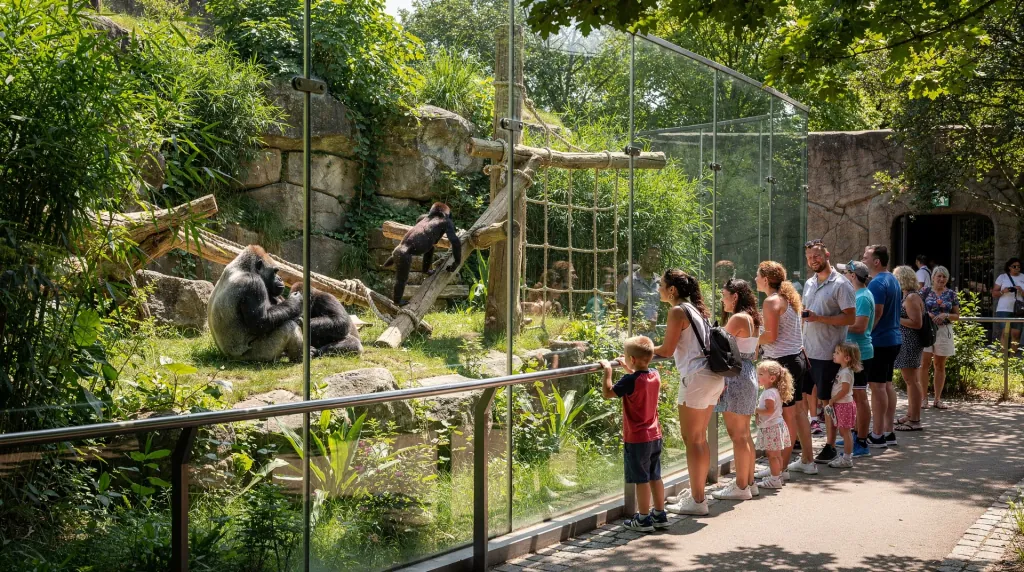
The western lowland gorilla family group lives in a purpose-built indoor/outdoor complex with glass-fronted viewing areas. The indoor section is particularly good for close-up observation in cold weather.
The Komodo dragon house
One of the few places in Central Europe where you can observe Komodo dragons in a proper indoor habitat. The terrarium section also includes other large reptiles.
Przewalski horses
The free-range enclosure for Przewalski horses — the last truly wild horse species, extinct in the wild by 1969 and now partially reintroduced in Mongolia through breeding programmes partly based at Zoo Praha — is in the upper section of the zoo. The story of the Prague Zoo’s role in this reintroduction is one of the better conservation narratives in European zoo history.
The Indonesian Jungle pavilion
A large indoor tropical greenhouse housing birds of paradise, orangutans, and a range of small Southeast Asian species. Useful in winter when the outdoor sections are cold.
Children’s zoo (Dětská zoo)
A petting zoo section in the lower part of the park with domestic animals, small enclosures for goats and pigs, and hands-on feeding activities. Particularly popular with children under 8.
The cable car
A small cable car connects the lower entrance to the upper section of the zoo, crossing a steep wooded slope. It’s a short ride (about 90 seconds) but a useful shortcut on a busy day and enjoyable for children.
The viewpoints
Several points on the upper levels of the zoo offer views across the Vltava valley toward Prague. The viewpoint above the Elephant Valley is particularly good. On clear days you can see the outline of the city on the southern horizon.
Practical planning: how long and what to prioritise
Full day (5–6 hours): Comfortable for seeing all major sections. Start at the upper cable car station, work through the Elephant Valley and horse enclosures, descend through the gorilla and reptile houses, end at the children’s zoo. Lunch options are available inside the park.
Half day (3–4 hours): Focus on the Elephant Valley, gorilla house, and the Indonesian Jungle. Skip the children’s petting section unless you have young children.
With toddlers: The cable car, the children’s zoo, and the outdoor elephant observation terrace are the priorities. Keep expectations realistic about total walking — the terrain is hilly.
Tickets, timings, and price
Entrance (2026 estimates):
- Adult: ~€12 / 300 CZK
- Children 3–15: ~€8 / 200 CZK
- Children under 3: free
- Reduced (students, seniors): ~€10 / 250 CZK
- Family tickets: ~€35 / 875 CZK (2 adults + 2 children)
Opening hours:
- March–October: daily 9:00–18:00
- November–February: daily 9:00–16:00
- Last entry 1 hour before closing
Skip-the-line tickets: Available via GYG. The main entrance can have queues of 20–40 minutes on summer weekends; booking in advance eliminates this.
Which tour or ticket to book
For skip-the-line entry tickets:
Prague Zoo skip-the-line entry ticketFor skip-the-line tickets combined with private transfer from the city centre:
Prague Zoo skip-the-line tickets with private transfersFor an audio guide to the zoo (no ticket included — useful as a companion to your own entry):
Prague Zoo online audio guideFor a combined boat ride from the city centre to the zoo — a scenic approach via the Vltava:
Prague boat ride to the zoo and admissionHow to get there
Bus (most practical): Bus 112 from Nádraží Holešovice metro station (Line C, red) to the zoo. Journey approximately 15 minutes. Nádraží Holešovice is on Line C — accessible from the centre in 10–15 minutes.
Boat (scenic option from May to October): A boat service runs from the city centre (Rašínovo nábřeží embankment near Palacký Square) to the zoo landing stage. Departure times vary; check the PPS (Prague Passenger Shipping) website for current timetable. Journey approximately 75 minutes each way — scenic but slower than the bus.
Taxi/Uber: About 20–30 minutes from the Old Town, depending on traffic. Cost approximately €10–15 each way.
Car: Parking available at the zoo (pay car park). The approach road through Troja can be slow on summer weekends.
Insider tips
Come on a weekday morning in May or September. The zoo is busiest on summer weekends; a weekday in the shoulder season gives you space at the enclosures and comfortable temperatures.
The cable car queue builds up from around 11:00. Start at the upper section of the zoo (descend by path) or arrive early if you want to use it without waiting.
The zoo restaurant (near the main entrance) serves reasonable Czech food at moderate prices. Avoid the kiosks near the children’s section, which are overpriced. Alternatively, bring a picnic — the zoo has several designated picnic areas with tables.
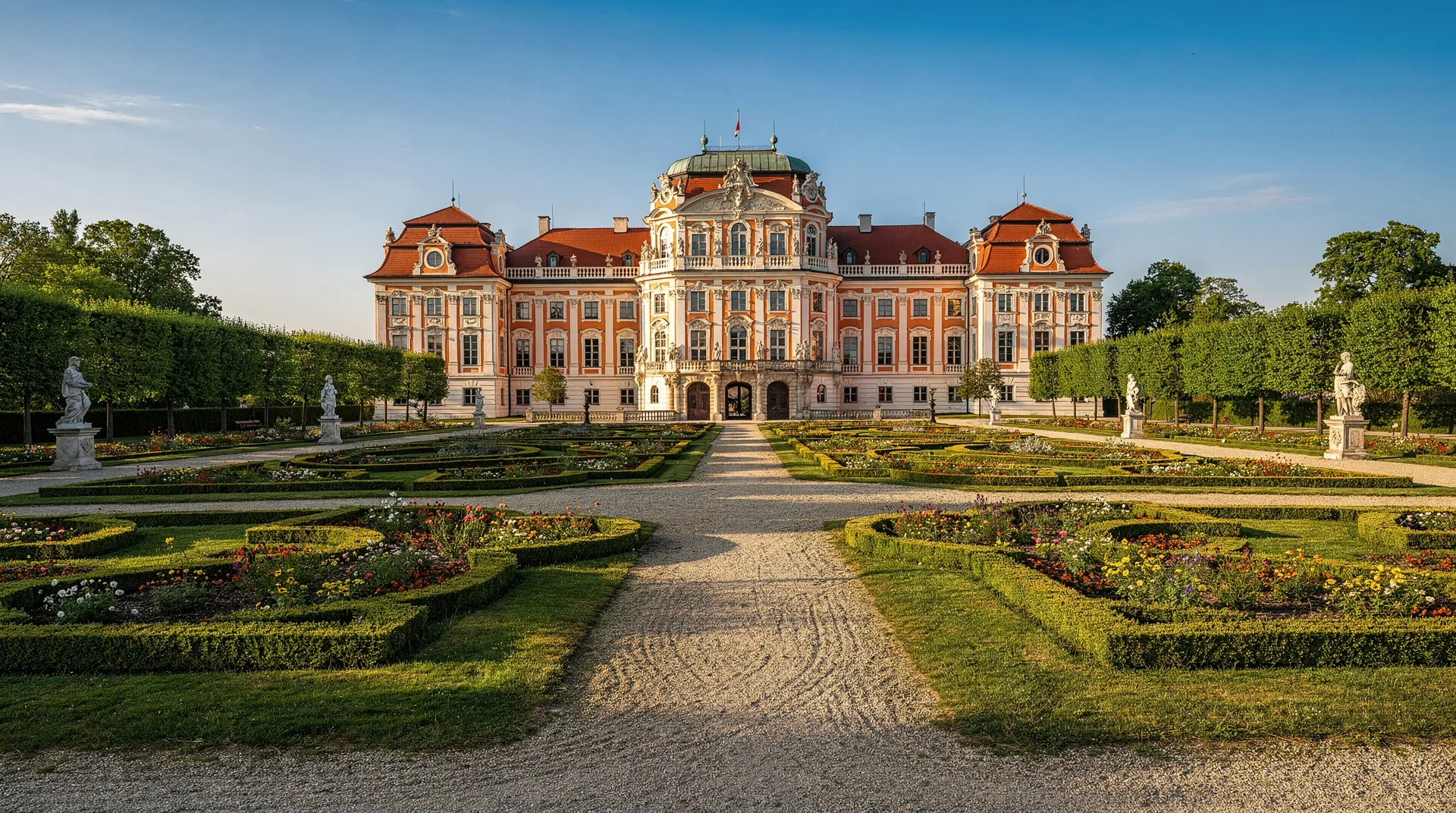
Combine with Troja Chateau. The Baroque palace next door (about 500 metres from the zoo’s main entrance) can add 60–90 minutes to your visit.
The conservation story: Przewalski horses and the return to Mongolia
Prague Zoo’s most significant contribution to global conservation is the Przewalski horse (Equus ferus przewalskii) programme. The Przewalski horse is the only surviving subspecies of wild horse — genuinely wild, never domesticated, distinct from the feral horses (Mustangs, Brumbies) found elsewhere in the world. By the 1960s it was extinct in the wild.
The zoo became involved in the European Breeding Programme for Przewalski horses in the 1950s. By the 1990s, the captive population worldwide was sufficient to support reintroduction to the wild in Mongolia. Prague Zoo partnered with Mongolian authorities and the Czech organization Nadace na ochranu koní (Horse Conservation Foundation) to transport horses from European zoos to the Hustai National Park in Mongolia. The first reintroduction flights happened in 2011 and continued in subsequent years.
By 2026, the wild Przewalski horse population in Mongolia had reached several hundred individuals across multiple sites — up from zero in 1960. Prague Zoo’s role in this turnaround is documented in the zoo’s visitor materials. The current zoo enclosure for Przewalski horses is a relatively large outdoor area in the upper section of the park, designed to minimise human contact and maintain the animals’ behavioural independence from humans.
The 2002 flood and the zoo’s recovery
The catastrophic Vltava flood of August 2002 was the worst in Prague’s recorded history. The flood reached the zoo on 14 August 2002 and inundated approximately two-thirds of the site. Water levels exceeded 5 metres in the lower sections of the park.
The zoo was unable to evacuate all animals in time. The largest casualties were among large animals that could not be transported quickly: Slávka the hippopotamus became the most-publicised victim when she was caught in a drainage tunnel; the gorillas and some large mammals were moved in the final hours before the water peaked. Total animal mortality was approximately 150 animals from 88 species — a significant loss but lower than feared given the scale of the inundation.
The recovery took three years. The zoo reopened in 2003 with reduced capacity; full operation resumed in 2004–2005 with significant new enclosure construction that incorporated flood-resistant design features. The current elephant complex and several other large enclosures were built as part of this post-2002 rebuilding programme. The flood is documented in a permanent exhibit near the main entrance.
Planning a full-day zoo visit: route and timing
The zoo’s terrain (a hillside site with approximately 45 metres of elevation change between lower and upper sections) means that route planning matters more than at a flat zoo.
Recommended morning route (arrive 9:00): Start at the main lower entrance. Walk immediately to the upper cable car station and take the car to the upper plateau. Begin with the Elephant Valley (early morning is the most active period for elephants), continue through the horse enclosures and the Przewalski horses, then the Indonesian jungle. Descend via the central path through the gorilla complex and the reptile houses. By 13:00 you’ve covered the headline enclosures.
Afternoon: Lunch at the main restaurant near the entrance. Return to the children’s zoo petting section, the bird aviaries, and the viewing platform above the elephant pool (useful for a second look at the elephants in afternoon activity). The exit is back at the lower entrance.
This route uses the cable car on the way up (avoiding the steepest climb) and descends on foot (more gradual). Walking distance: approximately 4–5 km over a full day.
Seasonal notes and what changes by month
Spring (March–May): Young animals are often born in spring — check the zoo’s social media for birth announcements. Crowds are manageable; the spring vegetation is fresh. Gardens around the perimeter are blooming.
Summer (June–August): Peak season. Weekends are crowded. Some large animals retreat to indoor shade in extreme heat (above 35°C). The cable car queues lengthen. Arrive at opening (9:00) or after 15:00.
Autumn (September–October): Comfortable temperatures, thinner crowds, and active animals as temperatures cool from summer highs. The best season for longer visits.
Winter (November–February): The zoo is open but many outdoor enclosures have reduced activity. The indoor pavilions (gorilla house, Indonesian jungle, elephant stables) are heated and fully operational. Admission is the same year-round.
Combining the zoo with the rest of Troja and Holešovice
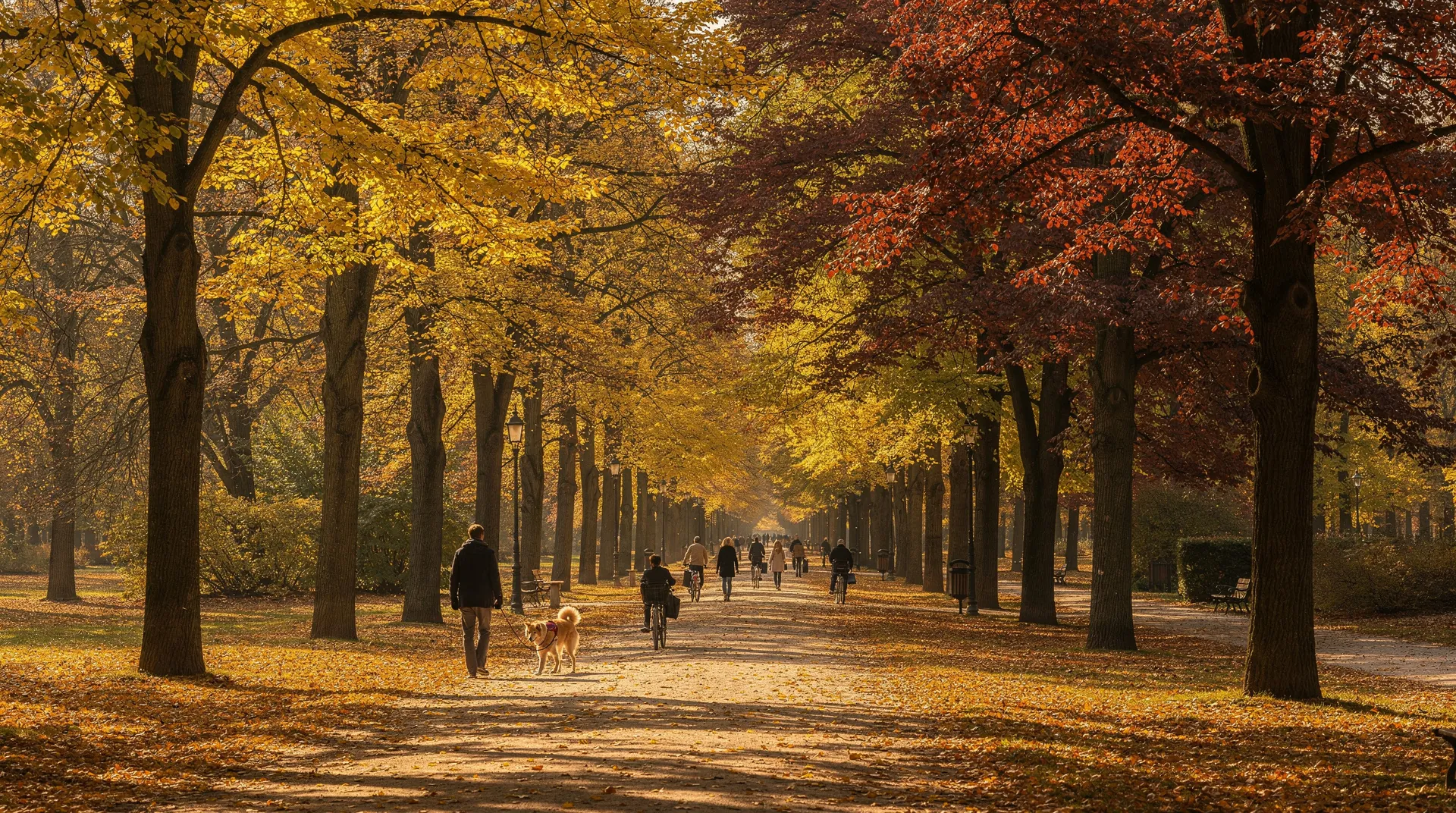
The zoo sits in the Holešovice district’s northern reaches, and a handful of nearby stops make good pairings. Troja Chateau is about 500 metres from the zoo’s main entrance and adds a Baroque garden and palace interior to the day — 60–90 minutes is enough. If you’d rather stay closer to the river, Stromovka park is a large landscaped park a short tram ride south, good for a slower afternoon after a busy zoo morning.
Families planning several child-friendly stops in one trip should also check the day trips with kids guide, which covers this end of the city alongside options further out of town. For the return journey, the metro guide covers Line C timing from Nádraží Holešovice back to the centre.
Frequently asked questions about Prague Zoo
Is Prague Zoo really one of the world’s best?
Consistently rated so by Forbes and other travel publications over multiple years. The quality of the enclosures, the conservation programmes, and the naturalistic hillside setting distinguish it from most urban zoos. Whether this translates to a “must-see” depends on your interest in wildlife tourism.
How long should you spend at Prague Zoo?
A full day (5–6 hours) is ideal if you want to see everything. A half-day (3–4 hours) covers the highlights. With very young children, adjust expectations for slower progress.
Is Prague Zoo good for young children?
Yes. The children’s zoo petting section, the cable car, and the relatively uncrowded outdoor spaces make it one of the better family attractions in Prague. Allow more time per section than you think you need.
Is the zoo open in winter?
Yes, daily 9:00–16:00 from November to February. Some outdoor enclosures may have animals indoors in very cold weather, but the main indoor pavilions (Indonesian Jungle, gorilla house, elephant stables) are open year-round.
Is there food and drink inside the zoo?
Yes — a main restaurant near the entrance, plus several kiosks and a café in the upper section. Quality and prices are average for a zoo; the main restaurant is the better option for a full meal.
How far is Prague Zoo from the city centre?
About 7 km north of Old Town Square. By bus from Nádraží Holešovice (metro Line C), the journey is 15 minutes. By taxi from the Old Town, 20–30 minutes.
Can I combine Prague Zoo with Troja Chateau in one visit?
Yes, easily. Troja Chateau is about 500 metres from the zoo’s main entrance, and 60–90 minutes is enough to see the Baroque interior and gardens. Many visitors do the zoo in the morning and Troja Chateau in the early afternoon before heading back to the centre.
Is Prague Zoo worth it if I don’t have children?
Yes, for anyone with a genuine interest in wildlife, conservation, or landscape design. The hillside setting and the Przewalski horse breeding story are compelling independent of whether you’re travelling with kids.
Dining inside the zoo: honest assessment
The zoo has a main restaurant (U Slona — “At the Elephant”) near the lower entrance, a café in the upper section of the park, and several food kiosks throughout. The assessment:
U Slona restaurant: The main dining option. Czech and international dishes at above-average prices (main courses approximately €10–16 / 250–400 CZK). The food is reliable without being exciting. The main value is avoiding the need to exit and re-enter the zoo for lunch — zoo tickets do not allow same-day re-entry. Reserve a table on busy weekend days; the restaurant fills up at lunchtime.
Upper section café (near the Indonesian Jungle pavilion): Coffee, sandwiches, snacks. Standard quality, adequate prices. Convenient mid-morning stop.
Kiosks: Overpriced by Prague standards, which is to say roughly tourist-price at a popular attraction. The ice cream kiosks are fine on hot days. The hot food kiosks near the children’s section are functional but uninspired.
Alternative: Bringing a packed lunch. The zoo has designated picnic areas near the lower entrance and in the park near the upper viewpoints. This is the economically sensible option for families.
The zoo’s breeding programmes beyond Przewalski horses
While the Przewalski horse programme is the most internationally recognised, Prague Zoo has several other active conservation programmes:
Chinese giant salamanders: Prague Zoo has been a European leader in breeding the Chinese giant salamander (Andrias davidianus), the world’s largest amphibian, which is critically endangered in the wild due to habitat loss and hunting. The zoo’s programme has produced multiple breeding successes and cooperates with Chinese conservation authorities.
White rhinos: The zoo houses southern white rhinoceroses in the African section. The breeding group has produced calves and participates in the European Ex-Situ Programme for the species.
Komodo dragons: Breeding successes with Komodo dragons at Prague Zoo have supported the European Studbook for the species. The zoo regularly transfers animals to other European zoos as part of coordinated breeding management.
The conservation programmes are documented in the zoo’s annual report (available on zoopraha.cz) and in the educational materials in the enclosures. For visitors with an interest in conservation biology, these materials are substantive rather than promotional.
Practical info at a glance
- Address: U Trojského zámku 3/120, 171 00 Praha 7 (Troja district)
- Opening hours: Daily 9:00–18:00 (Mar–Oct); 9:00–16:00 (Nov–Feb)
- Price: Adult ~€12 / 300 CZK; child ~€8 / 200 CZK
- Getting there: Bus 112 from Nádraží Holešovice (metro C); or boat from city centre (May–Oct)
- Official website: zoopraha.cz